Articles
Back
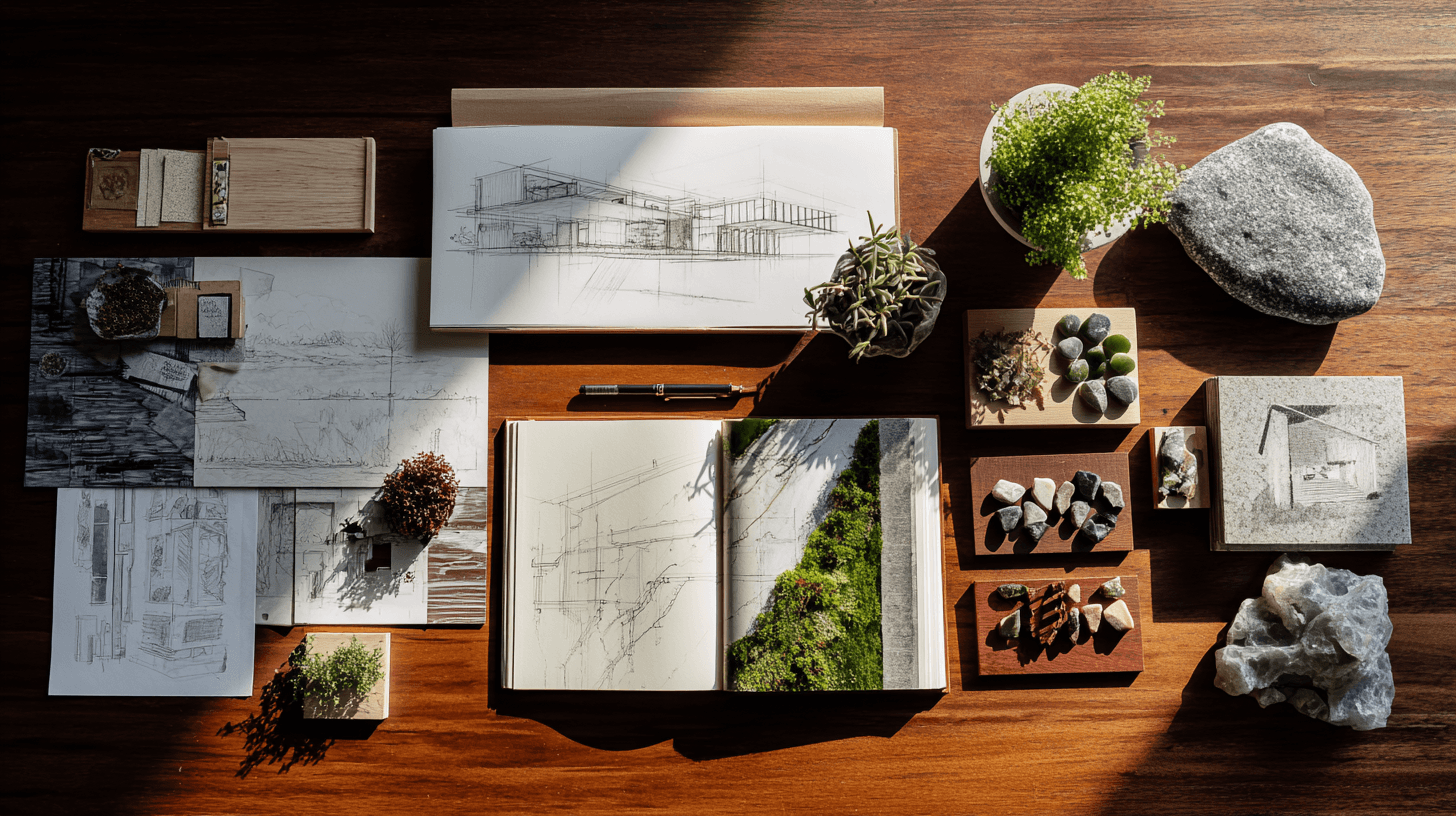
Biophilic Design: Design Process for Architects
Biophilic design is a pattern language that mimics the complexities of the natural environment. It is more than just filling an office space with plants and expecting a warm and fuzzy experience from its occupants. Because as humans we are more complex and can see through token efforts to naturalise a space. In fact we feel a connection to spaces that demonstrate changing light patterns, spaces that enrich all five of our basic sensory systems, spaces that fill us with awe, spaces that are unpredictable, and spaces that make us feel calm.
In a publication by Terrapin Bright Green, this pattern language has been clearly identified and outlined, and forms an excellent guide for architects on any project.
Five Principles of Biophilic Design
There are five fundamental principles that should form the framework for any architectural project that seeks to enrich the health and wellbeing of it's occupants and the wider community. These principles are universal, and should form a nature-inspired strategy for architectural design, regardless of style and aesthetics.
In essence, Biophilic design:
Requires repeated and sustained engagement with nature
Focuses on human adaptations to the natural world to advance people's health and wellbeing
Encourages an emotional attachment to settings and places
Promotes positive interactions between people and nature to continually strengthen this relationship
Encourages mutually reinforcing, interconnected and consolidative architectural solutions
So – How Should Architects Start the Process?
Thinking about Biophilic design should happen right at the start of the design process, before concepts, forms and aesthetics are set. This is when there is an opportunity to look at the broad opportunities to engage as many biophilic language patterns into the design as possible.
"We now know about integrative design, about regenerative design—where you're not trying to do a green building but a building that heals the ecosystem and the social system that you're dropping it into. It turns it away from being the object [and] into the relationship."
— Jerome Partington, Senior Associate, Jasmax
Step 1 – Research the site extensively
Take time to research the site. Understand its broader context including history, culture, ecology and climate. Get to know the site intimately – physically, spiritually and emotionally in order to best explore the biophilic opportunities for the project.
Step 2 – Engage the right team for the project
Build a team of likeminded professionals that are driven to achieve successful biophilic outcomes on the project. This may include outside consultants and experts such as biologists, ecologists, geologists and botanists, as well as artists, natural historians or community leaders. Remember the goal is to start the inspiration for the project from the natural site itself.
Step 3 – Familiarise yourself with the 15 language patterns of biophilic design
Have these principles at the forefront of all the design decisions you make during the design process. Try and incorporate as many of these language patterns as you can, as this will have the most positive outcome for the health and well-being of the people that engage with the project.
Step 4 – Explore different design themes
Remember Architects are problem solvers – incorporating structure, building use, budget, aesthetics are only some of the elements architects need to bring together successfully. They should also be thinking about health and wellbeing.
Think carefully about what elements may deeply engage users, and what elements are the most appropriate to incorporate.
Go through a series of design exercises with the team that have the following goals:
Connect the team with their subconscious, nature-based selves
Form connections between personal experience and biophilic design principles
To spark creativity that contributes towards innovative biophilic design for the project
Step 5 – Explore the context of place
From initial research on the relevant site context, absorb the information and look for opportunities within the location:
What is a regional material palette?
Which other senses could come into play: colour palette, tactile palette, auditory palette, etc.?
How do current occupants respond to both climate and weather? Time of day?
How does this ecosystem work? What is unique about it?
How can people be connected to the climate and ecosystem of this place?
What ecosystem services are available, and what other values do they bring (aesthetic, physical, auditory, etc.)?
Step 6 – Explore the context of people and culture
Consider that community connectivity can happen both throughout the design process as well as after the project completion. The goal here is to understand how to create community both within the finished project and to the larger community that the project is within.
Consider who is likely to be using the building and what their relationship is to the site, history and the wider community.
How can community be created in this place?
What are the cultural strengths of this place? How can they be celebrated?
How can the building occupants be connected to nature from the minute they arrive?
What are the journeys and interactions with nature from arrival to departure? How do they vary for different occupants?
Where and how can people celebrate their connections to each other?
What are the historical and/or cultural influences?
What are the cultural implications or lessons that might influence the regional palette or be reflected in the spaces?
Step 7 – Explore the context of the project itself
Despite being completely obvious, it is worth mentioning that focus needs to remain on understanding the principles that the project exists. What are the priorities and main outcomes to achieve?
What are the key areas for flexibility or responsiveness, to climate, weather, or occupants?
How will the aesthetics of the project contrast and/or reflect the existing context?
How can the project's original goals be supported and enhanced through biophilic design?
Step 8 – Integrate specific aspects of biophilic design¹
The most successful projects address biophilia through a mix of:
Integration and Connection: Biophilic design that reinforces design interventions for a direct connection to the project setting or space.
Expression and Emotion: Biophilic design that demonstrates and stirs affection toward project setting or space.
Experience of Nature: Biophilic design that fosters positive, everyday interactions and relationships with the natural environment.
Physiological Benefit: Biophilic design that emphasizes human health, fitness, and wellbeing.
Consider various scales, impacts, locations, and types:
Landscape strategies
Building form
Paths and movement
Finishes and detailing
Opportunities to engage the senses (tactile, auditory, olfactory, etc.)
Consider interactions and dependencies. Identify strategies that will allow a variety of interactions/dependencies:
Centralization + Decentralization: What functions can be integrated and which need to be separated?
Flexibility: What are the expected changes of functions over time?
Flow: Who and/or what moves through the project: goods, services, people.
Step 9 – Develop a Biophilic Framework for the project
"What" are the biophilic design principles for the project?
Develop a reference document that becomes the framework that records the decisions of the team. The Framework may be fairly simple but needs to include the overarching goals for the project based on the research and collaboration from earlier steps. At the forefront, keep in mind biophilic and stakeholder priorities as well as specific strategies and ideas.
The Framework is the means to communicate what the project team has decided to consider and do to make their project appropriately biophilic for their stakeholders.
Content should include:
Project Introduction – basic purpose and context
Reference Information – e.g. site, history and cultural reports
Project goals – An overview summary of what the project hopes to achieve revealing why Biophilic Design is important to this specific project can be a touchpoint for decision-making. For example:
The Agency hopes to entice its customers to explore the world, and support its employees' creativity, through biophilic experiences that are both visual and auditory, connecting concepts of exploration, nature and awe.
Stakeholder priorities – What are the objectives across different areas, groups or functions? For example:
A mix of sensory stimuli, including those that are visual, tactile, and Auditory
A focus on Sensory Variability and Patterned Wholes Attributes under Natural Patterns and Processes.
Biophilic design strategies – identify specific tangible manifestations for each Biophilic Design strategy targeted by the project. For example:
The entry will have a huge green wall that is beautiful and evokes a soft carpet—drawing clients in, evoking lush landscapes, and also helping acoustics and cooling the space. Attributes: Plants, Façade greening, Sensory variability, Attraction and beauty, Botanical motifs.
The colours & patterning in the carpet, flooring, and blinds will be nature-based and loosely tied together to create a space that is vibrant yet coherent. Attributes: Patterned wholes, Sensory variability.
Step 10 – Develop a Biophilic Plan for the project
"How" are we going to incorporate the biophilic design principles for the project?
The Biophilic Plan is a roadmap for each team to move their specific design ideas forward. Each discipline involved, should determine their own format and complexity. The Plan may be fairly simple, but should include information that helps the team communicate, make decisions and track the implementation of their biophilic design strategies.
Recommended Content¹:
Deliverables
Responsible Parties
Action Items
Decision making process
Communication strategies
Tracking methods
Reference Studies
References
¹ https://living-future.org/wp-content/uploads/2018/06/18-0605_Biophilic-DesignGuidebook.pdf
Biophilic design is a pattern language that mimics the complexities of the natural environment. It is more than just filling an office space with plants and expecting a warm and fuzzy experience from its occupants. Because as humans we are more complex and can see through token efforts to naturalise a space. In fact we feel a connection to spaces that demonstrate changing light patterns, spaces that enrich all five of our basic sensory systems, spaces that fill us with awe, spaces that are unpredictable, and spaces that make us feel calm.
In a publication by Terrapin Bright Green, this pattern language has been clearly identified and outlined, and forms an excellent guide for architects on any project.
Five Principles of Biophilic Design
There are five fundamental principles that should form the framework for any architectural project that seeks to enrich the health and wellbeing of it's occupants and the wider community. These principles are universal, and should form a nature-inspired strategy for architectural design, regardless of style and aesthetics.
In essence, Biophilic design:
Requires repeated and sustained engagement with nature
Focuses on human adaptations to the natural world to advance people's health and wellbeing
Encourages an emotional attachment to settings and places
Promotes positive interactions between people and nature to continually strengthen this relationship
Encourages mutually reinforcing, interconnected and consolidative architectural solutions
So – How Should Architects Start the Process?
Thinking about Biophilic design should happen right at the start of the design process, before concepts, forms and aesthetics are set. This is when there is an opportunity to look at the broad opportunities to engage as many biophilic language patterns into the design as possible.
"We now know about integrative design, about regenerative design—where you're not trying to do a green building but a building that heals the ecosystem and the social system that you're dropping it into. It turns it away from being the object [and] into the relationship."
— Jerome Partington, Senior Associate, Jasmax
Step 1 – Research the site extensively
Take time to research the site. Understand its broader context including history, culture, ecology and climate. Get to know the site intimately – physically, spiritually and emotionally in order to best explore the biophilic opportunities for the project.
Step 2 – Engage the right team for the project
Build a team of likeminded professionals that are driven to achieve successful biophilic outcomes on the project. This may include outside consultants and experts such as biologists, ecologists, geologists and botanists, as well as artists, natural historians or community leaders. Remember the goal is to start the inspiration for the project from the natural site itself.
Step 3 – Familiarise yourself with the 15 language patterns of biophilic design
Have these principles at the forefront of all the design decisions you make during the design process. Try and incorporate as many of these language patterns as you can, as this will have the most positive outcome for the health and well-being of the people that engage with the project.
Step 4 – Explore different design themes
Remember Architects are problem solvers – incorporating structure, building use, budget, aesthetics are only some of the elements architects need to bring together successfully. They should also be thinking about health and wellbeing.
Think carefully about what elements may deeply engage users, and what elements are the most appropriate to incorporate.
Go through a series of design exercises with the team that have the following goals:
Connect the team with their subconscious, nature-based selves
Form connections between personal experience and biophilic design principles
To spark creativity that contributes towards innovative biophilic design for the project
Step 5 – Explore the context of place
From initial research on the relevant site context, absorb the information and look for opportunities within the location:
What is a regional material palette?
Which other senses could come into play: colour palette, tactile palette, auditory palette, etc.?
How do current occupants respond to both climate and weather? Time of day?
How does this ecosystem work? What is unique about it?
How can people be connected to the climate and ecosystem of this place?
What ecosystem services are available, and what other values do they bring (aesthetic, physical, auditory, etc.)?
Step 6 – Explore the context of people and culture
Consider that community connectivity can happen both throughout the design process as well as after the project completion. The goal here is to understand how to create community both within the finished project and to the larger community that the project is within.
Consider who is likely to be using the building and what their relationship is to the site, history and the wider community.
How can community be created in this place?
What are the cultural strengths of this place? How can they be celebrated?
How can the building occupants be connected to nature from the minute they arrive?
What are the journeys and interactions with nature from arrival to departure? How do they vary for different occupants?
Where and how can people celebrate their connections to each other?
What are the historical and/or cultural influences?
What are the cultural implications or lessons that might influence the regional palette or be reflected in the spaces?
Step 7 – Explore the context of the project itself
Despite being completely obvious, it is worth mentioning that focus needs to remain on understanding the principles that the project exists. What are the priorities and main outcomes to achieve?
What are the key areas for flexibility or responsiveness, to climate, weather, or occupants?
How will the aesthetics of the project contrast and/or reflect the existing context?
How can the project's original goals be supported and enhanced through biophilic design?
Step 8 – Integrate specific aspects of biophilic design¹
The most successful projects address biophilia through a mix of:
Integration and Connection: Biophilic design that reinforces design interventions for a direct connection to the project setting or space.
Expression and Emotion: Biophilic design that demonstrates and stirs affection toward project setting or space.
Experience of Nature: Biophilic design that fosters positive, everyday interactions and relationships with the natural environment.
Physiological Benefit: Biophilic design that emphasizes human health, fitness, and wellbeing.
Consider various scales, impacts, locations, and types:
Landscape strategies
Building form
Paths and movement
Finishes and detailing
Opportunities to engage the senses (tactile, auditory, olfactory, etc.)
Consider interactions and dependencies. Identify strategies that will allow a variety of interactions/dependencies:
Centralization + Decentralization: What functions can be integrated and which need to be separated?
Flexibility: What are the expected changes of functions over time?
Flow: Who and/or what moves through the project: goods, services, people.
Step 9 – Develop a Biophilic Framework for the project
"What" are the biophilic design principles for the project?
Develop a reference document that becomes the framework that records the decisions of the team. The Framework may be fairly simple but needs to include the overarching goals for the project based on the research and collaboration from earlier steps. At the forefront, keep in mind biophilic and stakeholder priorities as well as specific strategies and ideas.
The Framework is the means to communicate what the project team has decided to consider and do to make their project appropriately biophilic for their stakeholders.
Content should include:
Project Introduction – basic purpose and context
Reference Information – e.g. site, history and cultural reports
Project goals – An overview summary of what the project hopes to achieve revealing why Biophilic Design is important to this specific project can be a touchpoint for decision-making. For example:
The Agency hopes to entice its customers to explore the world, and support its employees' creativity, through biophilic experiences that are both visual and auditory, connecting concepts of exploration, nature and awe.
Stakeholder priorities – What are the objectives across different areas, groups or functions? For example:
A mix of sensory stimuli, including those that are visual, tactile, and Auditory
A focus on Sensory Variability and Patterned Wholes Attributes under Natural Patterns and Processes.
Biophilic design strategies – identify specific tangible manifestations for each Biophilic Design strategy targeted by the project. For example:
The entry will have a huge green wall that is beautiful and evokes a soft carpet—drawing clients in, evoking lush landscapes, and also helping acoustics and cooling the space. Attributes: Plants, Façade greening, Sensory variability, Attraction and beauty, Botanical motifs.
The colours & patterning in the carpet, flooring, and blinds will be nature-based and loosely tied together to create a space that is vibrant yet coherent. Attributes: Patterned wholes, Sensory variability.
Step 10 – Develop a Biophilic Plan for the project
"How" are we going to incorporate the biophilic design principles for the project?
The Biophilic Plan is a roadmap for each team to move their specific design ideas forward. Each discipline involved, should determine their own format and complexity. The Plan may be fairly simple, but should include information that helps the team communicate, make decisions and track the implementation of their biophilic design strategies.
Recommended Content¹:
Deliverables
Responsible Parties
Action Items
Decision making process
Communication strategies
Tracking methods
Reference Studies
References
¹ https://living-future.org/wp-content/uploads/2018/06/18-0605_Biophilic-DesignGuidebook.pdf
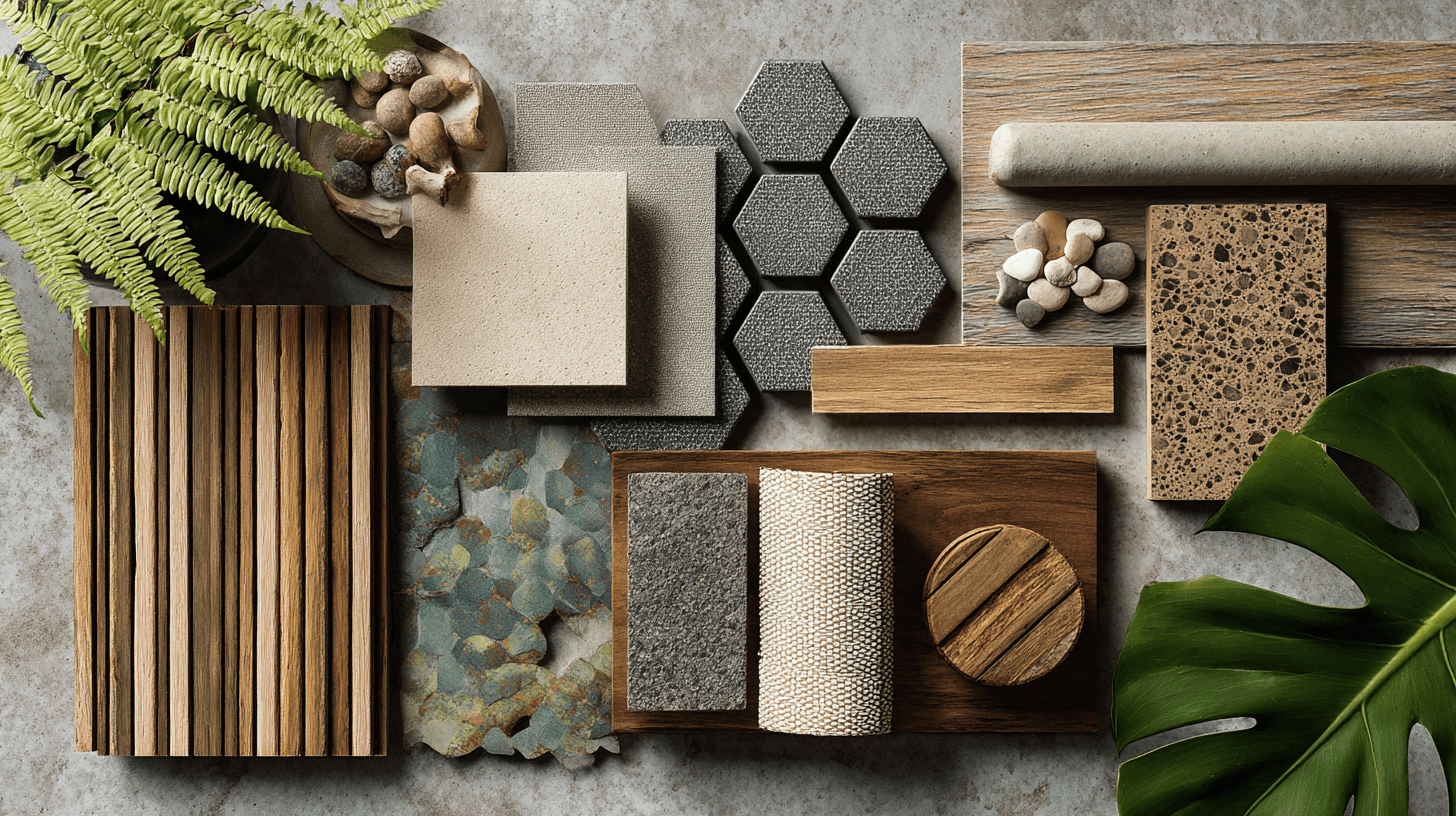
Biophilic Language Patterns
15 patterns of biophilic design explained. Learn how direct nature experiences, natural materials, and spatial design enhance health and wellbeing.
15 patterns of biophilic design explained. Learn how direct nature experiences, natural materials, and spatial design enhance health and wellbeing.
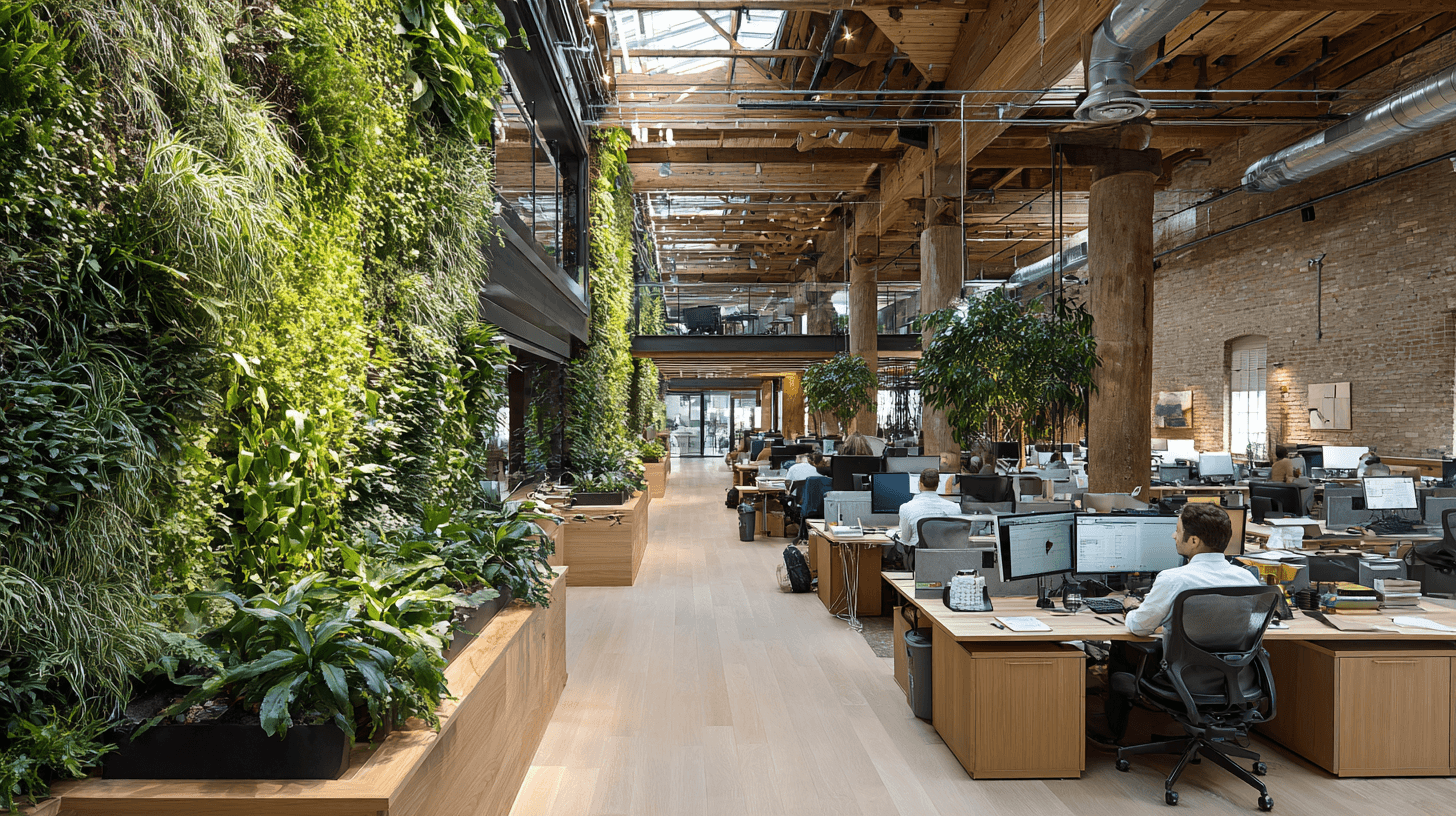
Biophilic Design: Introduction
Learn how biophilic design improves workplace wellness, productivity and creativity through nature-inspired spaces. 7 evidence-based principles.
Learn how biophilic design improves workplace wellness, productivity and creativity through nature-inspired spaces. 7 evidence-based principles.
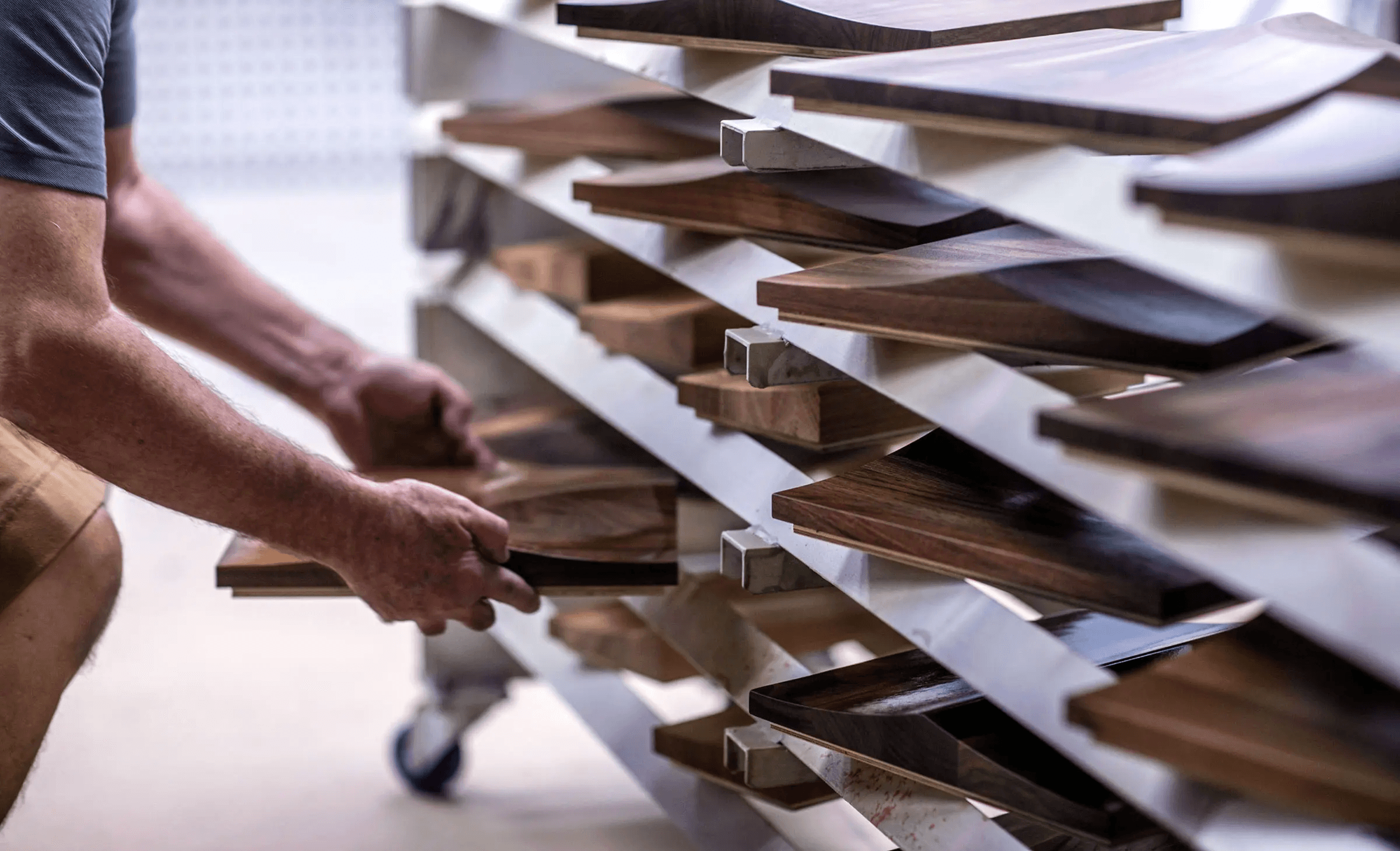
The sustainability of Evove
Learn how Evove wall panels transform timber offcuts into beautiful, sustainable products that store carbon and support a circular economy.
Learn how Evove wall panels transform timber offcuts into beautiful, sustainable products that store carbon and support a circular economy.
Discover what’s possible.
Send us your email address
to be kept informed.
ABN 27 947 460 969