Articles
Back
Biophilic Language Patterns
Increasingly the word Biophilia has been bandied around in architectural and design journals and is gaining real momentum. This is for good reason, as scientific and statical evidence has recently come to light that proves the innate relationship between mankind and nature, and how understanding and harnessing this can improve individual as well as the collective health and wellbeing of inhabitants of our planet.
Given how quickly an experience of nature can have a positive effect on people, and the fact that businesses waste billions of dollars each year on lost productivity due to stress-related illnesses, hospitals spend billions of dollars each year on healing any number of illnesses that could be hastened by biophilic considerations, design that reconnects us with nature is essential for providing people opportunities to live and work in healthy places and spaces with less stress and greater overall health and wellbeing.
How? because science is proving is that Biophilic design can:
Improve our health and accelerate healing time
Reduce stress
Increase our clarity of thought
Enhance our creativity
But what exactly is Biophilic Design? Is it an architectural style? An abstract concept?
Rather, it is most easily explained as a pattern language, or specific design principles which can be adopted in any number or varying ways. The most helpful document I have found to explain this language is the 14 Patterns of Biophilic Design – Improving Health and wellbeing in the Built Environment. (They have since added a 15th pattern) which I have summarised below:
It was written as a document to articulate the relationship between human biology and the design of the built environment, and as a helpful way to look at patterns and themes that architects and designers can incorporate into their projects to promote biophilic design.
Strategies of how to incorporate nature into the built environment starts with the broad categories that these 15 patterns fall into.
Three Categories – How Man Relates to the Built Environment
The relationship between humans and the built environment falls into three broad categories:
Direct experiences with Nature (e.g. going for a walk in the bush, looking at a sunset etc.)
Indirect experiences of Nature (e.g. wallpaper with floral patterns etc.)
Nature of the space (e.g. how a space makes us feel)
15 Patterns of Biophilic Design
These three categories have been further analysed and form a pattern language for biophilic design which I have paraphrased here.
Direct Experiences
Visual Connection with Nature
Non-visual Connection with Nature (e.g. smells, sounds)
Non predictability of nature (e.g. different forces of waves, fire)
Variable airflow (e.g. breezes that come and go)
Presence of water (e.g. ponds)
Changing light (e.g. varying intensity and colour of light and shadow)
Ecological changes (e.g. seasons, lifecycles)
Indirect Experiences
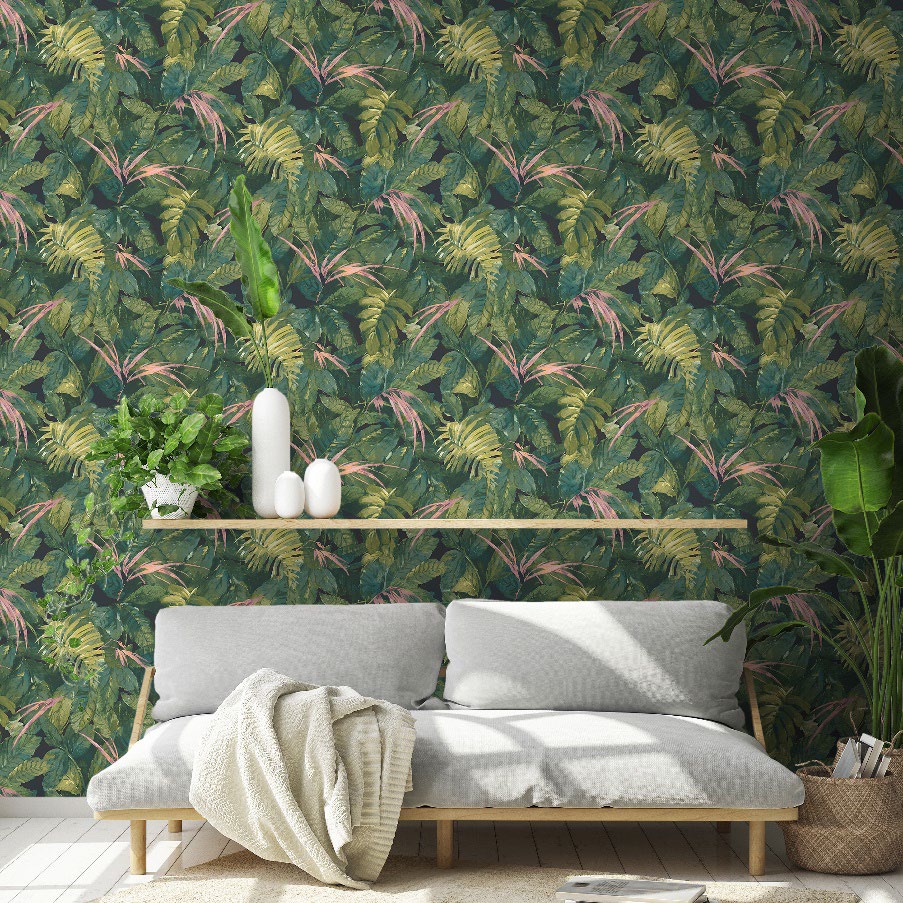
Abstract forms of living things (e. floral pattered wallpaper)
Natural materials (e.g. timber, stone)
Geometries and hierarchies found in nature (e.g. shell patterns – fractals, scale)
Nature of the Space
Prospect (e.g. distant views from windows)
Refuge (e.g. a reading nook)
Mystery (e.g. inviting and partially obscured views)
Risk and Safety (e.g. a glass footbridge)
Awe (e.g. anything that leads to a change in perception)
Direct Experiences with Nature
This category is the physical presence of nature in a place or space. This includes living plants, water and animals, as well as breezes sounds, scents and other natural elements. Common examples are brining a pet to work, putting a pott plant on a desk, water features and fountains and vegetable and flower gardens in a courtyard.
The strongest experience with nature is nature itself, and creating meaningful and direct connections with these natural elements. In other words giving people the opportunity to get up close and personal with these elements.
The seven biophilic design patterns included in this category are:
Visual connection with nature
Non-visual connection with nature
Non-predictability of nature
Variable airflow
Presence of water
Changing light
Connection with natural systems
Visual Connection with Nature
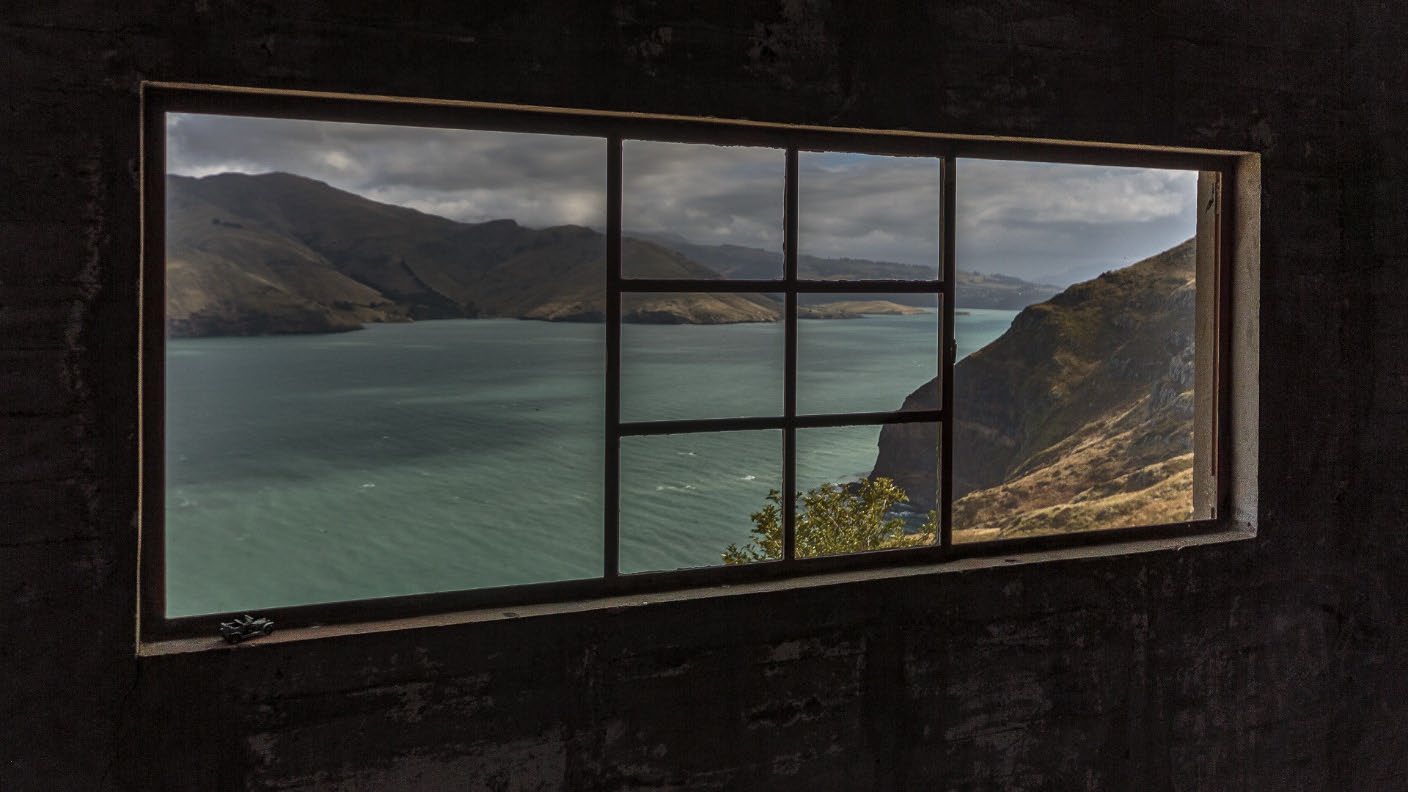
The presence of windows overlooking nature is the best example of this pattern and is one of the most prominent patterns of biophilic design that is considered by architects and designers from the outset. Windows that are carefully located to capture nature directly outside have a profound positive effect to people indoors.
Non-Visual Connection with Nature
Architects and designers often focus on the non-visual connection of nature, and how these could be incorporated. Yet these opportunities also have a wonderful effect on health and wellbeing. For example, think about incorporating natural scents, material textures and openable windows to allow natural breezes and sounds.
Stimuli for our other senses stimulate a deliberate and positive reference to nature, living systems or natural processes.
![Image credit: Vitalinka/Shutterstock]](https://framerusercontent.com/images/Dn7idzVp7Y5TqjxYTKTtzOh0dA.jpeg)
Non-Predictability of Nature
One thing hard to replicate outside of nature is its unpredictability. Yet this brings intrigue and engages the human spirit. Think about looking outside and seeing a bird flying into sight and into a tree, leaves falling off a branch in autumn, or animals playing on the grass.
These transitory and random connections with nature are not able to be predicted precisely, even if they can be analysed statistically.
Variable Airflow
Science has shown that the presence of natural breezes (i.e., Breezes that are unpredictable and variable in nature) has a positive effect on people. Think about the exhilaration of driving in a sports car with the roof down, getting a breath of fresh air when you are in a stressful situation.
Subtle changes in air temperature (the opposite of air conditioning), airflow across the skin and surface temperature and humidity all mimic natural environments and help strengthen our subconscious connection to nature.
Presence of Water
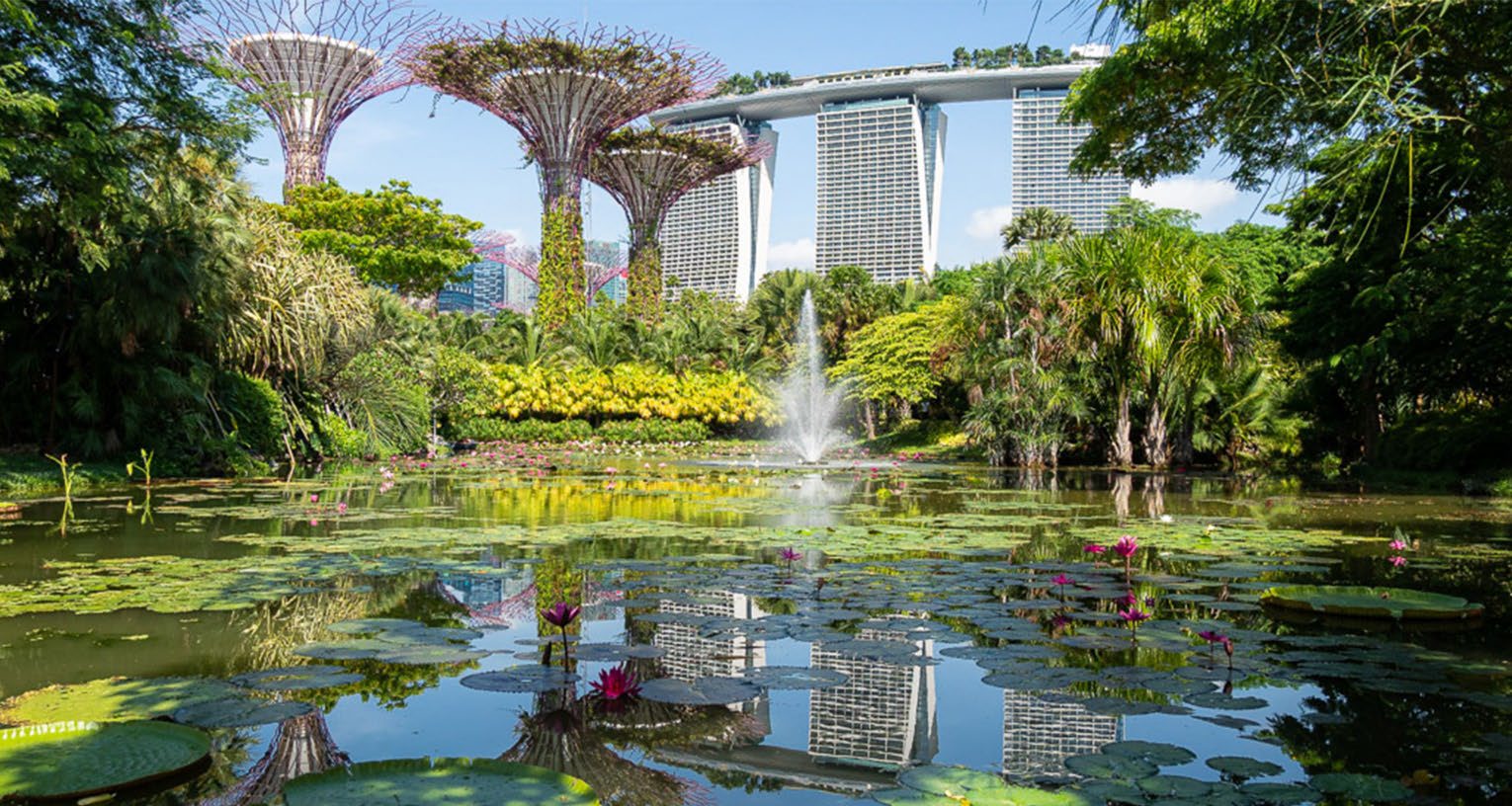
Who doesn't love the look, sound and feel of the ocean or a fountain? Water has always had a very calming effect on the soul, which has often been linked to our time in the womb, and incorporating water into a design project is always encouraged if possible to reduce stress.
Changing Light
In the natural environment, light has always been variable. Think about the sun going behind clouds at different times during the day, or light being filtered through trees with varies as the sun changes direction, or cloudy days vs sunny days. This is one aspect of design that can be overlooked when designing an internal environment, as constant rather than varying light conditions has always dominated design. However there may be opportunities to explore different lighting conditions in different areas and spaces of a project, or lighting that actually changes over time while still serving its purpose.
[Image Credit: DforDesign.style]
Connection with Natural Systems
Awareness of natural processes, especially seasonal and earthly changes are characteristic of a healthy ecosystem, and even though it is often hard to get your head around, is a great pattern to include in biophilic design. One example may be to plant deciduous trees in a garden, which can be overlooked by windows. Over time the appearance of these trees changes and provide a different view across the seasons.\
Indirect Experiences with Nature
Indirect experiences with nature are representations of the living world, without actually having the natural world present. They are non-living recreations of nature such as the objects, materials, colours, shapes, forms and patterns found in nature, which may form an artwork or ornamentation. Examples of these can be found throughout history (e.g. Corinthian capitals form Greek and Roman times) or the international style of art and architecture in the late 1900's known as Art Nouveau.
Even natural materials themselves can be categorised as an indirect experience with nature. When timber is used in a home or building it is not the physical living tree itself used as wall linings and furniture but these natural materials have been processed and extensively altered to provide an indirect connection with nature. Although they are real, they are only analogous of the items in their 'natural' state.
The three biophilic design patterns included in this category are:
Abstract forms of living things
Natural materials
Geometries and hierarchies found in nature
Abstract Forms of Living Things
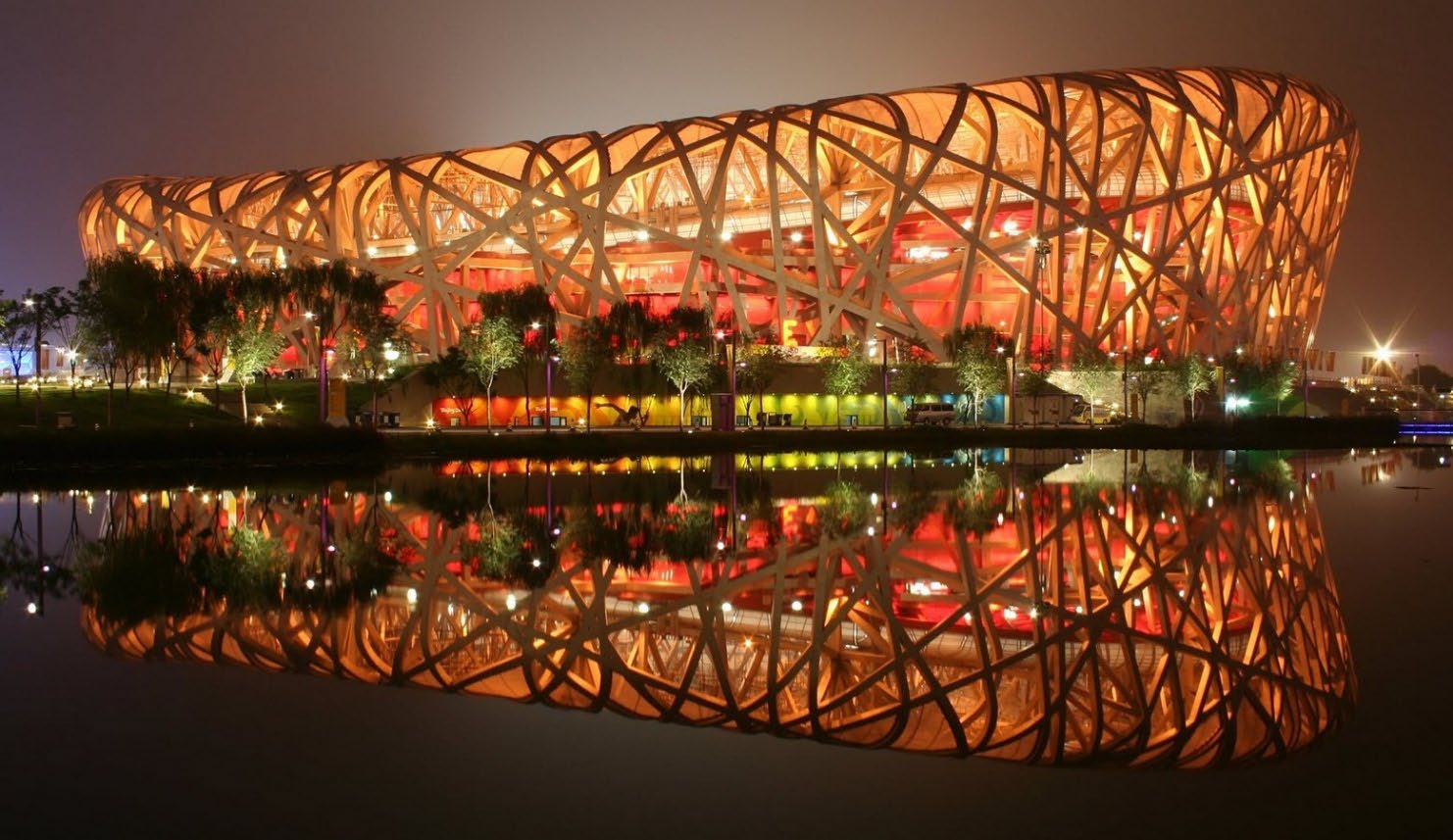
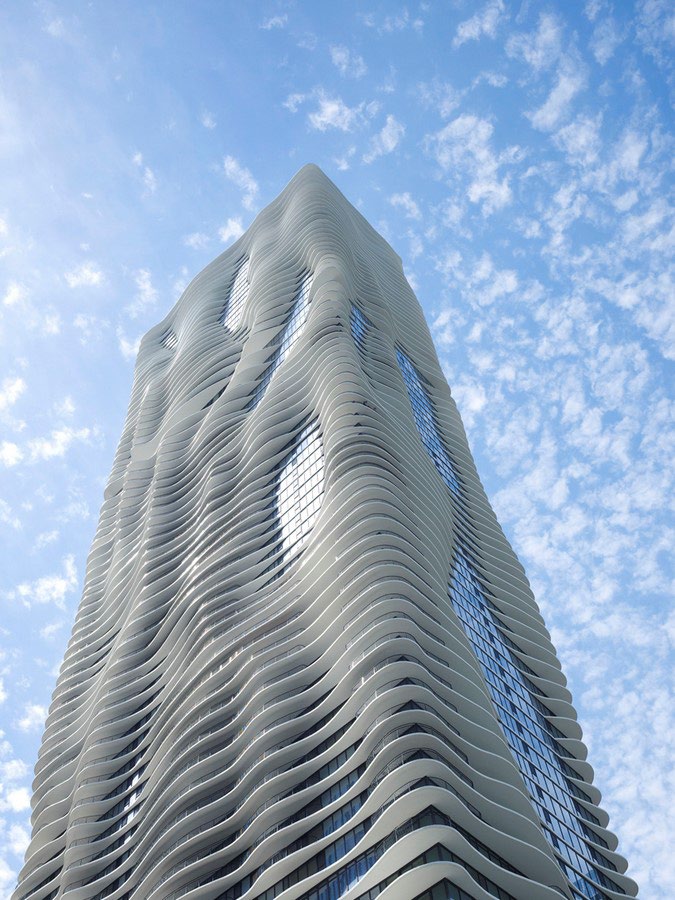
Biomorph is a decorative form or object based on or resembling a living organism. It is a symbolic reference to pattered, textured contoured or numerical arrangements that exist in nature. Examples of this are fluid forms of an architectural facade, or curved interior walls.
Increasingly the word Biophilia has been bandied around in architectural and design journals and is gaining real momentum. This is for good reason, as scientific and statical evidence has recently come to light that proves the innate relationship between mankind and nature, and how understanding and harnessing this can improve individual as well as the collective health and wellbeing of inhabitants of our planet.
Given how quickly an experience of nature can have a positive effect on people, and the fact that businesses waste billions of dollars each year on lost productivity due to stress-related illnesses, hospitals spend billions of dollars each year on healing any number of illnesses that could be hastened by biophilic considerations, design that reconnects us with nature is essential for providing people opportunities to live and work in healthy places and spaces with less stress and greater overall health and wellbeing.
How? because science is proving is that Biophilic design can:
Improve our health and accelerate healing time
Reduce stress
Increase our clarity of thought
Enhance our creativity
But what exactly is Biophilic Design? Is it an architectural style? An abstract concept?
Rather, it is most easily explained as a pattern language, or specific design principles which can be adopted in any number or varying ways. The most helpful document I have found to explain this language is the 14 Patterns of Biophilic Design – Improving Health and wellbeing in the Built Environment. (They have since added a 15th pattern) which I have summarised below:
It was written as a document to articulate the relationship between human biology and the design of the built environment, and as a helpful way to look at patterns and themes that architects and designers can incorporate into their projects to promote biophilic design.
Strategies of how to incorporate nature into the built environment starts with the broad categories that these 15 patterns fall into.
Three Categories – How Man Relates to the Built Environment
The relationship between humans and the built environment falls into three broad categories:
Direct experiences with Nature (e.g. going for a walk in the bush, looking at a sunset etc.)
Indirect experiences of Nature (e.g. wallpaper with floral patterns etc.)
Nature of the space (e.g. how a space makes us feel)
15 Patterns of Biophilic Design
These three categories have been further analysed and form a pattern language for biophilic design which I have paraphrased here.
Direct Experiences
Visual Connection with Nature
Non-visual Connection with Nature (e.g. smells, sounds)
Non predictability of nature (e.g. different forces of waves, fire)
Variable airflow (e.g. breezes that come and go)
Presence of water (e.g. ponds)
Changing light (e.g. varying intensity and colour of light and shadow)
Ecological changes (e.g. seasons, lifecycles)
Indirect Experiences
Abstract forms of living things (e. floral pattered wallpaper)
Natural materials (e.g. timber, stone)
Geometries and hierarchies found in nature (e.g. shell patterns – fractals, scale)
Nature of the Space
Prospect (e.g. distant views from windows)
Refuge (e.g. a reading nook)
Mystery (e.g. inviting and partially obscured views)
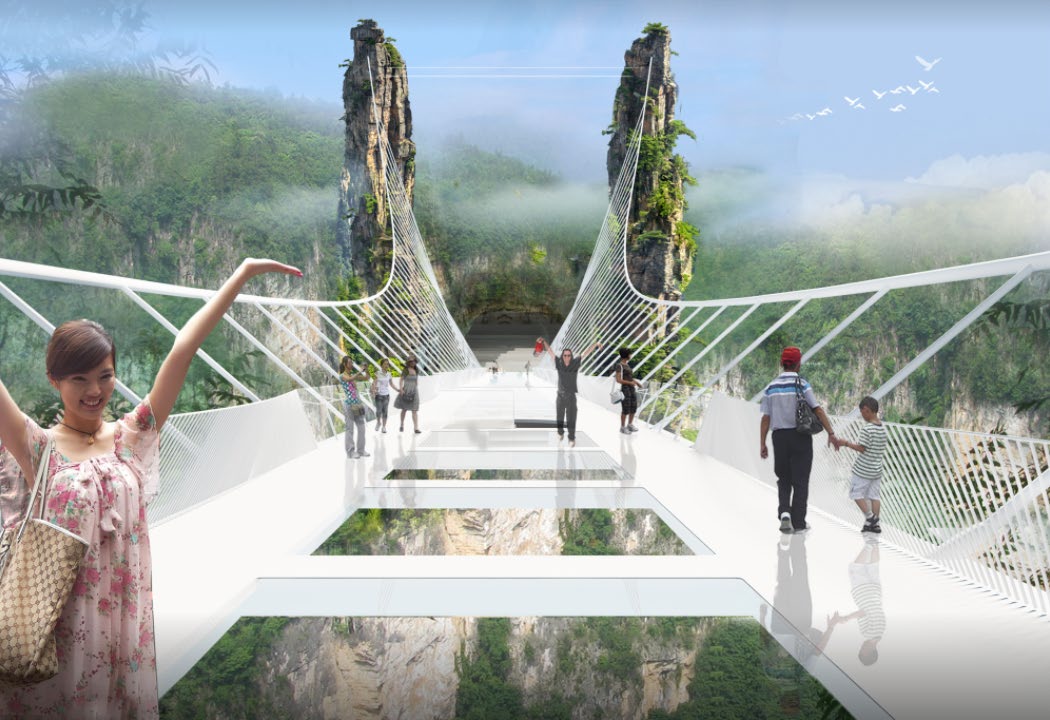
Risk and Safety (e.g. a glass footbridge)
Awe (e.g. anything that leads to a change in perception)
Direct Experiences with Nature
This category is the physical presence of nature in a place or space. This includes living plants, water and animals, as well as breezes sounds, scents and other natural elements. Common examples are brining a pet to work, putting a pott plant on a desk, water features and fountains and vegetable and flower gardens in a courtyard.
The strongest experience with nature is nature itself, and creating meaningful and direct connections with these natural elements. In other words giving people the opportunity to get up close and personal with these elements.
The seven biophilic design patterns included in this category are:
Visual connection with nature
Non-visual connection with nature
Non-predictability of nature
Variable airflow
Presence of water
Changing light
Connection with natural systems
Visual Connection with Nature
The presence of windows overlooking nature is the best example of this pattern and is one of the most prominent patterns of biophilic design that is considered by architects and designers from the outset. Windows that are carefully located to capture nature directly outside have a profound positive effect to people indoors.
Non-Visual Connection with Nature
Architects and designers often focus on the non-visual connection of nature, and how these could be incorporated. Yet these opportunities also have a wonderful effect on health and wellbeing. For example, think about incorporating natural scents, material textures and openable windows to allow natural breezes and sounds.
Stimuli for our other senses stimulate a deliberate and positive reference to nature, living systems or natural processes.
Non-Predictability of Nature
One thing hard to replicate outside of nature is its unpredictability. Yet this brings intrigue and engages the human spirit. Think about looking outside and seeing a bird flying into sight and into a tree, leaves falling off a branch in autumn, or animals playing on the grass.
These transitory and random connections with nature are not able to be predicted precisely, even if they can be analysed statistically.
Variable Airflow
Science has shown that the presence of natural breezes (i.e., Breezes that are unpredictable and variable in nature) has a positive effect on people. Think about the exhilaration of driving in a sports car with the roof down, getting a breath of fresh air when you are in a stressful situation.
Subtle changes in air temperature (the opposite of air conditioning), airflow across the skin and surface temperature and humidity all mimic natural environments and help strengthen our subconscious connection to nature.
Presence of Water
Who doesn't love the look, sound and feel of the ocean or a fountain? Water has always had a very calming effect on the soul, which has often been linked to our time in the womb, and incorporating water into a design project is always encouraged if possible to reduce stress.
Changing Light
In the natural environment, light has always been variable. Think about the sun going behind clouds at different times during the day, or light being filtered through trees with varies as the sun changes direction, or cloudy days vs sunny days. This is one aspect of design that can be overlooked when designing an internal environment, as constant rather than varying light conditions has always dominated design. However there may be opportunities to explore different lighting conditions in different areas and spaces of a project, or lighting that actually changes over time while still serving its purpose.
[Image Credit: DforDesign.style]
Connection with Natural Systems
Awareness of natural processes, especially seasonal and earthly changes are characteristic of a healthy ecosystem, and even though it is often hard to get your head around, is a great pattern to include in biophilic design. One example may be to plant deciduous trees in a garden, which can be overlooked by windows. Over time the appearance of these trees changes and provide a different view across the seasons.\
Indirect Experiences with Nature
Indirect experiences with nature are representations of the living world, without actually having the natural world present. They are non-living recreations of nature such as the objects, materials, colours, shapes, forms and patterns found in nature, which may form an artwork or ornamentation. Examples of these can be found throughout history (e.g. Corinthian capitals form Greek and Roman times) or the international style of art and architecture in the late 1900's known as Art Nouveau.
Even natural materials themselves can be categorised as an indirect experience with nature. When timber is used in a home or building it is not the physical living tree itself used as wall linings and furniture but these natural materials have been processed and extensively altered to provide an indirect connection with nature. Although they are real, they are only analogous of the items in their 'natural' state.
The three biophilic design patterns included in this category are:
Abstract forms of living things
Natural materials
Geometries and hierarchies found in nature
Abstract Forms of Living Things
Biomorph is a decorative form or object based on or resembling a living organism. It is a symbolic reference to pattered, textured contoured or numerical arrangements that exist in nature. Examples of this are fluid forms of an architectural facade, or curved interior walls.
Natural Materials
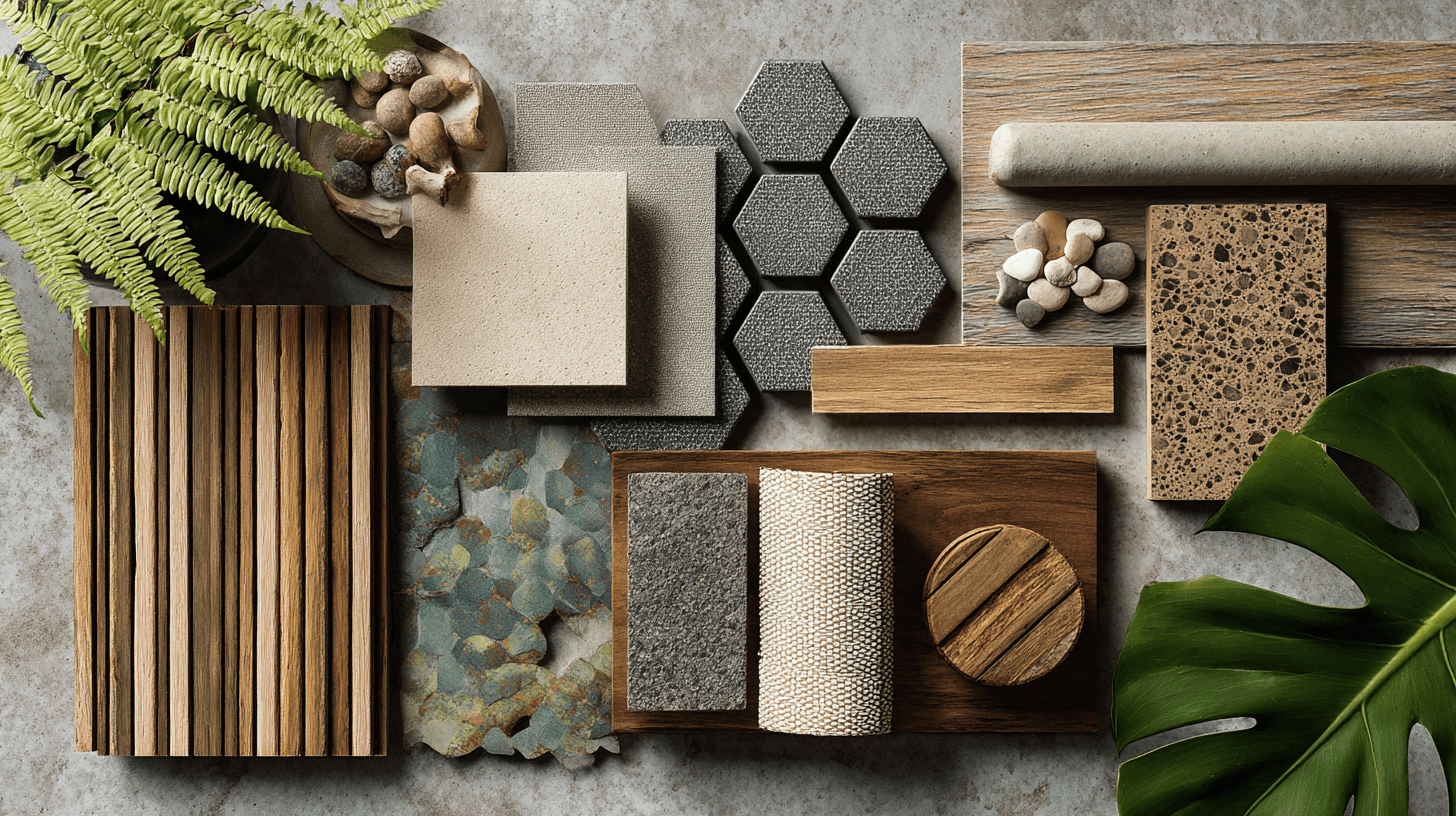
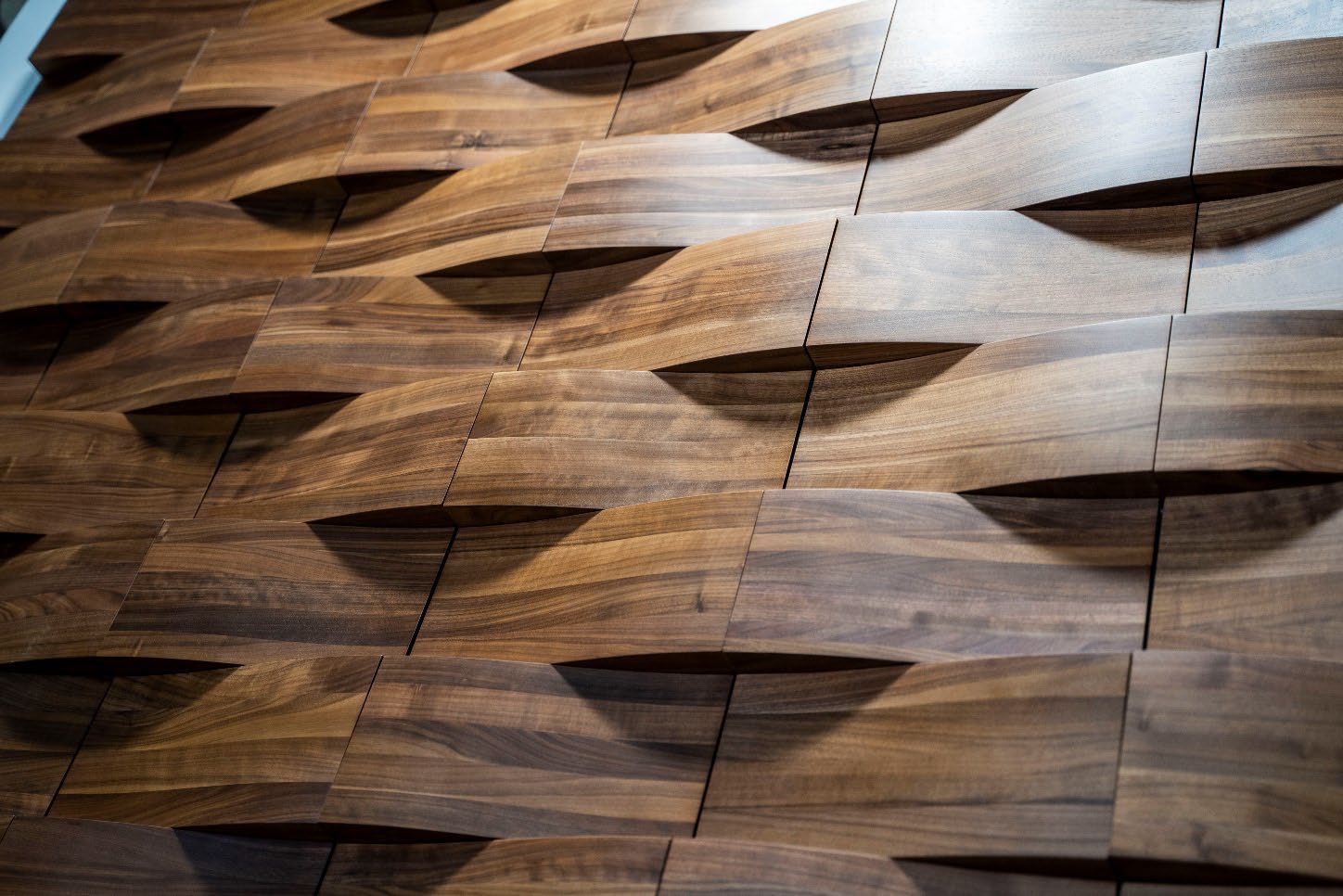
Using natural materials with minimal processing is another characteristic of Biophilic design. A distinct sense of place can be achieved with using materials and elements from nature that reflect the local ecology or geology. Timber is a great example with its warm and rich grain texture that is innately inconsistent visually, helps strengthen the connection between indoors and outdoors.
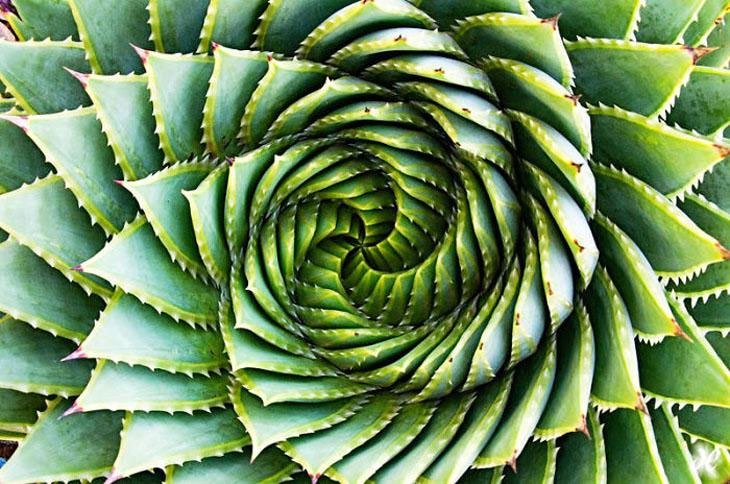
Geometries and Hierarchies Found in Nature
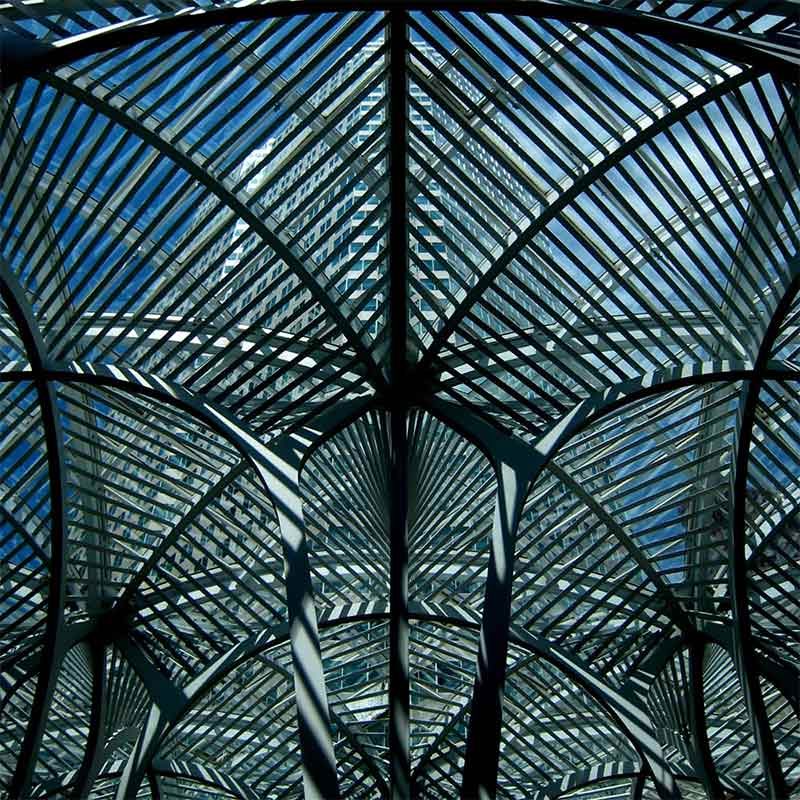
This is sometimes referred to as complexity and order. This characteristic or pattern is where rich sensory information adheres to spatial hierarchies like those encountered in nature, such as the mathematical patterns known as fractals. It has been thought that specifically a space with moderate amount of fractal usage will keep the space interesting, while not necessarily overwhelming. Symmetry also falls into this category and is perhaps one of the natural tools used by designers, however it can be used in both reference to natural and artificial design. While design doesn't need to explicitly use mathematical sequences, it can often give a space a sense of natural purpose.
Natural Materials
Using natural materials with minimal processing is another characteristic of Biophilic design. A distinct sense of place can be achieved with using materials and elements from nature that reflect the local ecology or geology. Timber is a great example with its warm and rich grain texture that is innately inconsistent visually, helps strengthen the connection between indoors and outdoors.
Geometries and Hierarchies Found in Nature
This is sometimes referred to as complexity and order. This characteristic or pattern is where rich sensory information adheres to spatial hierarchies like those encountered in nature, such as the mathematical patterns known as fractals. It has been thought that specifically a space with moderate amount of fractal usage will keep the space interesting, while not necessarily overwhelming. Symmetry also falls into this category and is perhaps one of the natural tools used by designers, however it can be used in both reference to natural and artificial design. While design doesn't need to explicitly use mathematical sequences, it can often give a space a sense of natural purpose.
Nature of the Space
In this category, four-dimensional characteristics of common special experiences in nature can be found. What this means, is that humans have an innate and learned desire to be fascinated with the slightly dangerous or unknown and have a desire to see beyond our immediate surroundings. Think of peekaboo cut-outs in a patrician, or a light filled opening at the end of a dark corridor, or the transition between a low entry to an atrium.
The five biophilic design patterns included in this category are:
Prospect
Refuge
Mystery
Risk / Peril
Awe
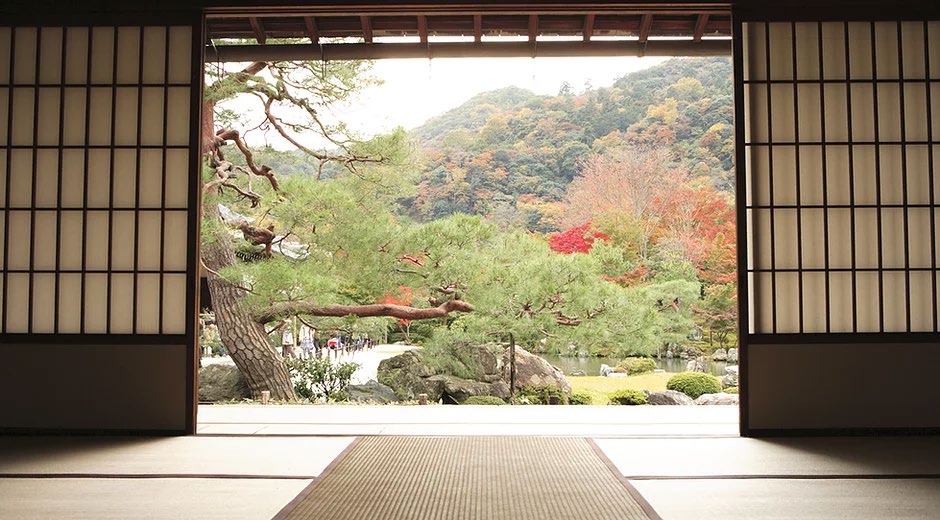
Prospect
Prospect can be applied to both inside and outside spaces, but it focus on lines of sight. It is an uninterrupted view over a distance for decision making and surveillance. It is best used in conjunction with the next biophilic design pattern – Refuge. A place to survey the distance in a place of security/ a view of the entire space together with a place of protection and separateness from this spaciousness.
Nature of the Space
In this category, four-dimensional characteristics of common special experiences in nature can be found. What this means, is that humans have an innate and learned desire to be fascinated with the slightly dangerous or unknown and have a desire to see beyond our immediate surroundings. Think of peekaboo cut-outs in a patrician, or a light filled opening at the end of a dark corridor, or the transition between a low entry to an atrium.
The five biophilic design patterns included in this category are:
Prospect
Refuge
Mystery
Risk / Peril
Awe
Prospect
Prospect can be applied to both inside and outside spaces, but it focus on lines of sight. It is an uninterrupted view over a distance for decision making and surveillance. It is best used in conjunction with the next biophilic design pattern – Refuge. A place to survey the distance in a place of security/ a view of the entire space together with a place of protection and separateness from this spaciousness.
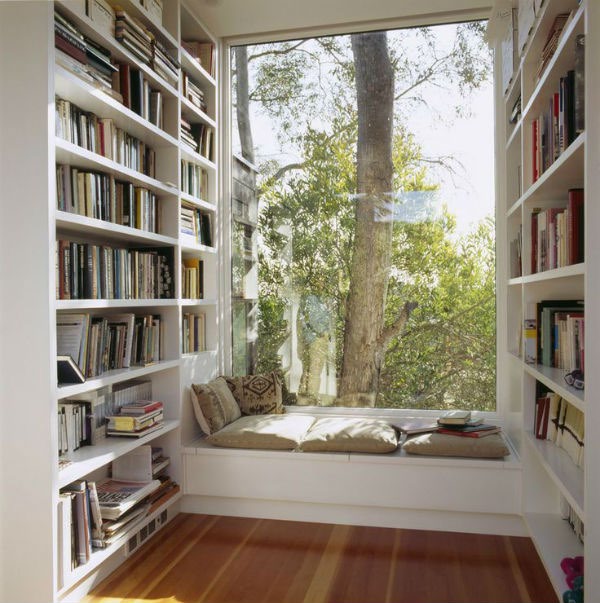
Refuge
Refuge is a place for withdrawal. It is often a space that protects from all sides and provides a space of safety from environmental conditions and the hustle and bustle of our everyday environment. It is not a space that we always want to inhabit, however it a safe, quiet place that we often need to retreat into.
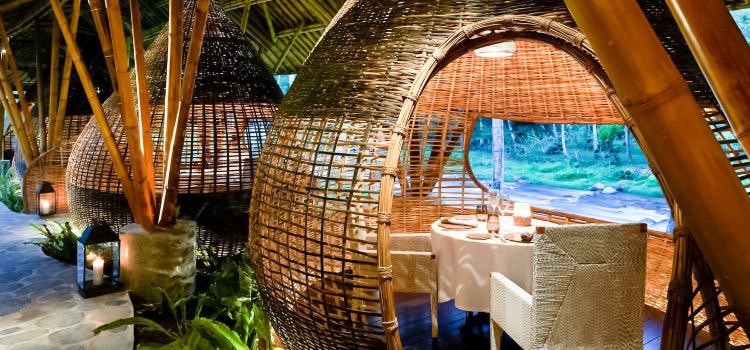
Mystery
Mystery is the promise of more. It is a pattern that entices the individual to travel deeper into the environment and is achieved through partially obscured views or other sensory devices. "A space with a good Mystery condition has a palpable sense of anticipation, or of being teased, offering the senses a kind of denial and reward that compels one to further investigate the space. Importantly, a Mystery condition does not feel like a "don't-open-that-door horror movie moment" (i.e., surprising, unpleasant, dangerous). Rather, it slowly reveals a new condition, feature, or information"¹
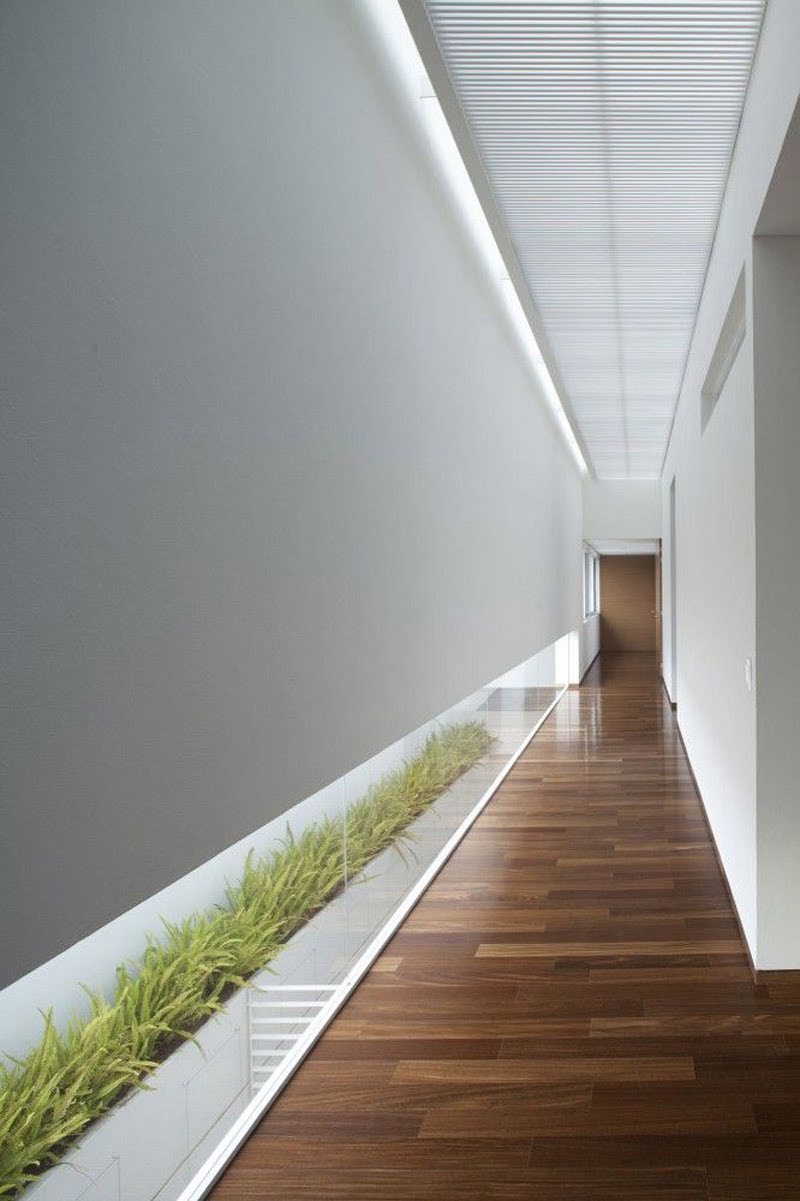
Risk / Peril
When we talk about risk / peril in terms of biophilic design, we are referring to the design of an identifiable threat, coupled with a reliable safeguard. This has always been an 'exhilarating' aspect of design when coupled with safety.
Refuge
Refuge is a place for withdrawal. It is often a space that protects from all sides and provides a space of safety from environmental conditions and the hustle and bustle of our everyday environment. It is not a space that we always want to inhabit, however it a safe, quiet place that we often need to retreat into.
Mystery
Mystery is the promise of more. It is a pattern that entices the individual to travel deeper into the environment and is achieved through partially obscured views or other sensory devices. "A space with a good Mystery condition has a palpable sense of anticipation, or of being teased, offering the senses a kind of denial and reward that compels one to further investigate the space. Importantly, a Mystery condition does not feel like a "don't-open-that-door horror movie moment" (i.e., surprising, unpleasant, dangerous). Rather, it slowly reveals a new condition, feature, or information"¹
Risk / Peril
When we talk about risk / peril in terms of biophilic design, we are referring to the design of an identifiable threat, coupled with a reliable safeguard. This has always been an 'exhilarating' aspect of design when coupled with safety.
Awe
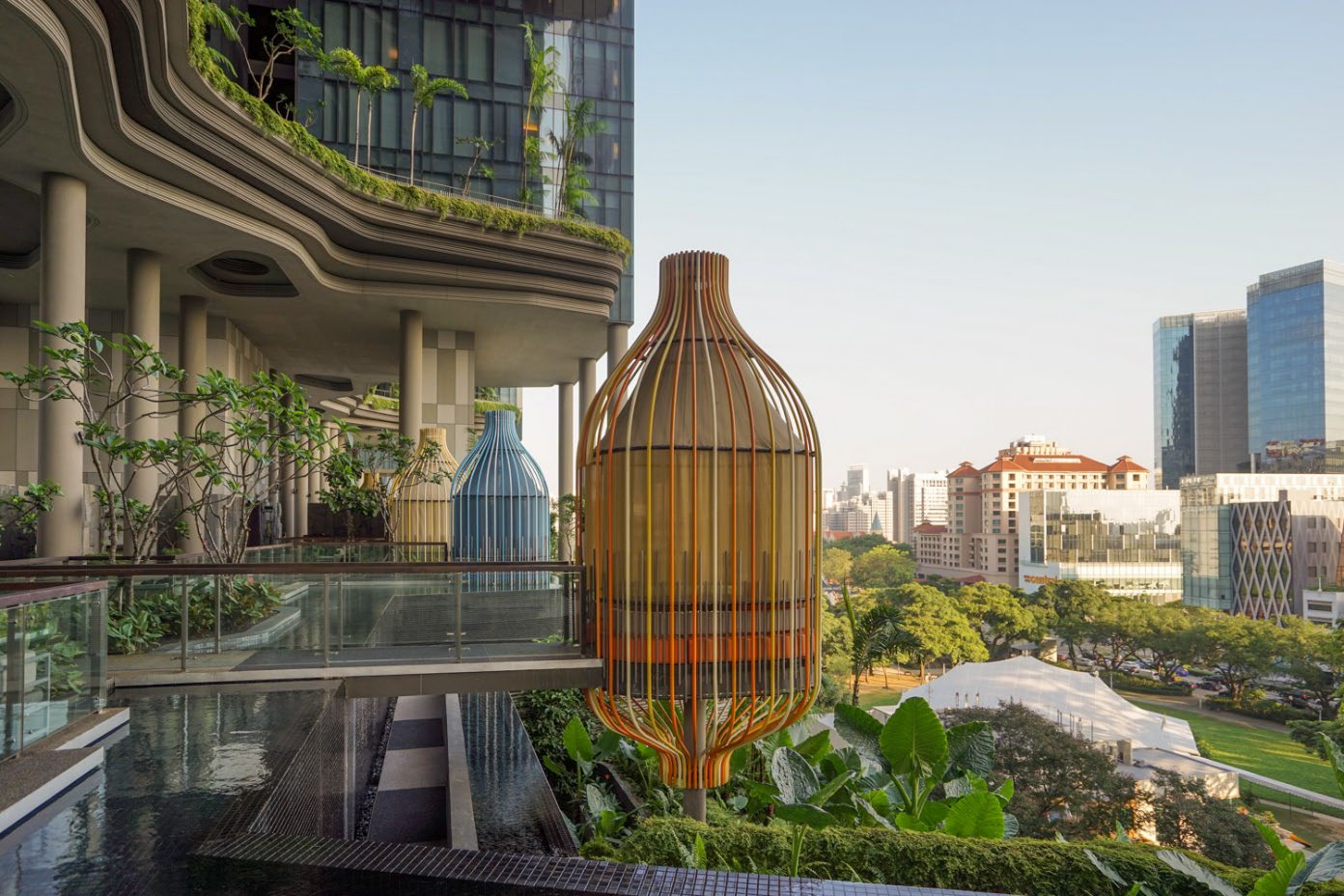
The last identified pattern of Biophilic Design is "Awe". It is a pattern language added by Terrapin Bright Green after their initial research.
It is a pattern that defies existing frames of reference mentioned above, and leads to a change in perception, that we identify as awe.
Awe
The last identified pattern of Biophilic Design is "Awe". It is a pattern language added by Terrapin Bright Green after their initial research.
It is a pattern that defies existing frames of reference mentioned above, and leads to a change in perception, that we identify as awe.
Biophilic Design: Design Process for Architects
A comprehensive 10-step guide to implementing biophilic design in architecture. Learn the five fundamental principles for creating nature-connected spaces.
A comprehensive 10-step guide to implementing biophilic design in architecture. Learn the five fundamental principles for creating nature-connected spaces.
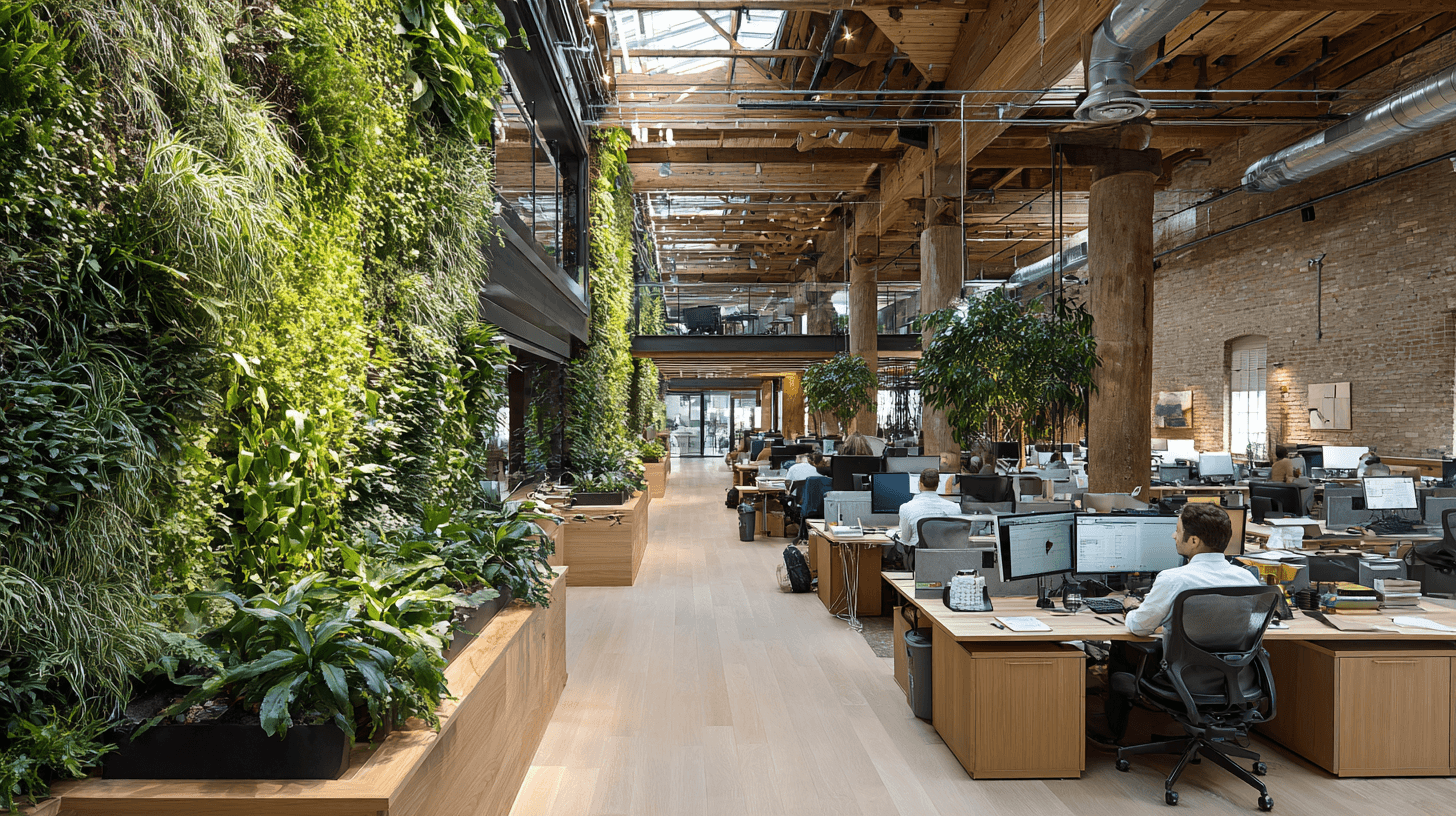
Biophilic Design: Introduction
Learn how biophilic design improves workplace wellness, productivity and creativity through nature-inspired spaces. 7 evidence-based principles.
Learn how biophilic design improves workplace wellness, productivity and creativity through nature-inspired spaces. 7 evidence-based principles.
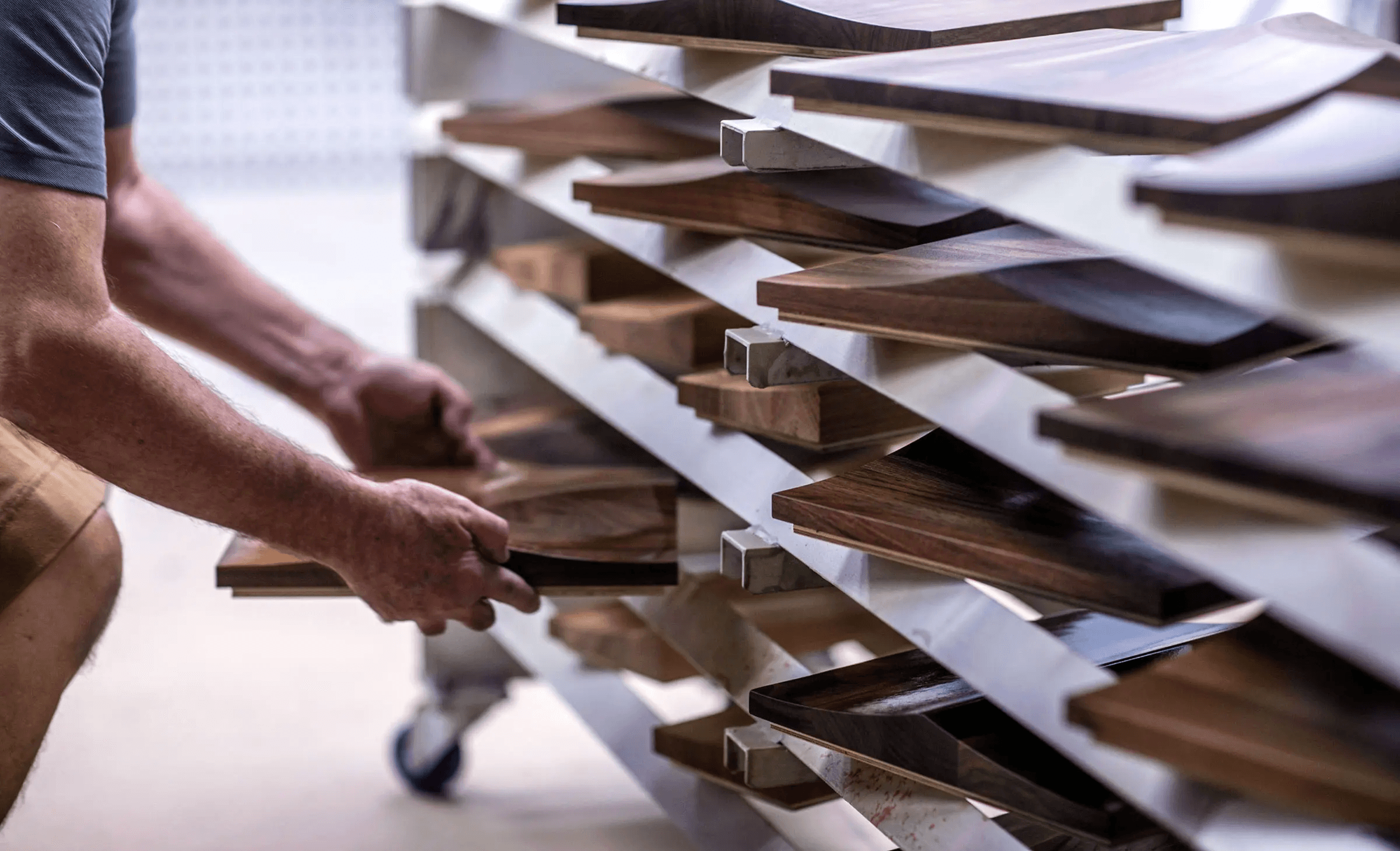
The sustainability of Evove
Learn how Evove wall panels transform timber offcuts into beautiful, sustainable products that store carbon and support a circular economy.
Learn how Evove wall panels transform timber offcuts into beautiful, sustainable products that store carbon and support a circular economy.
Discover what’s possible.
Send us your email address
to be kept informed.
ABN 27 947 460 969