Articles
Back
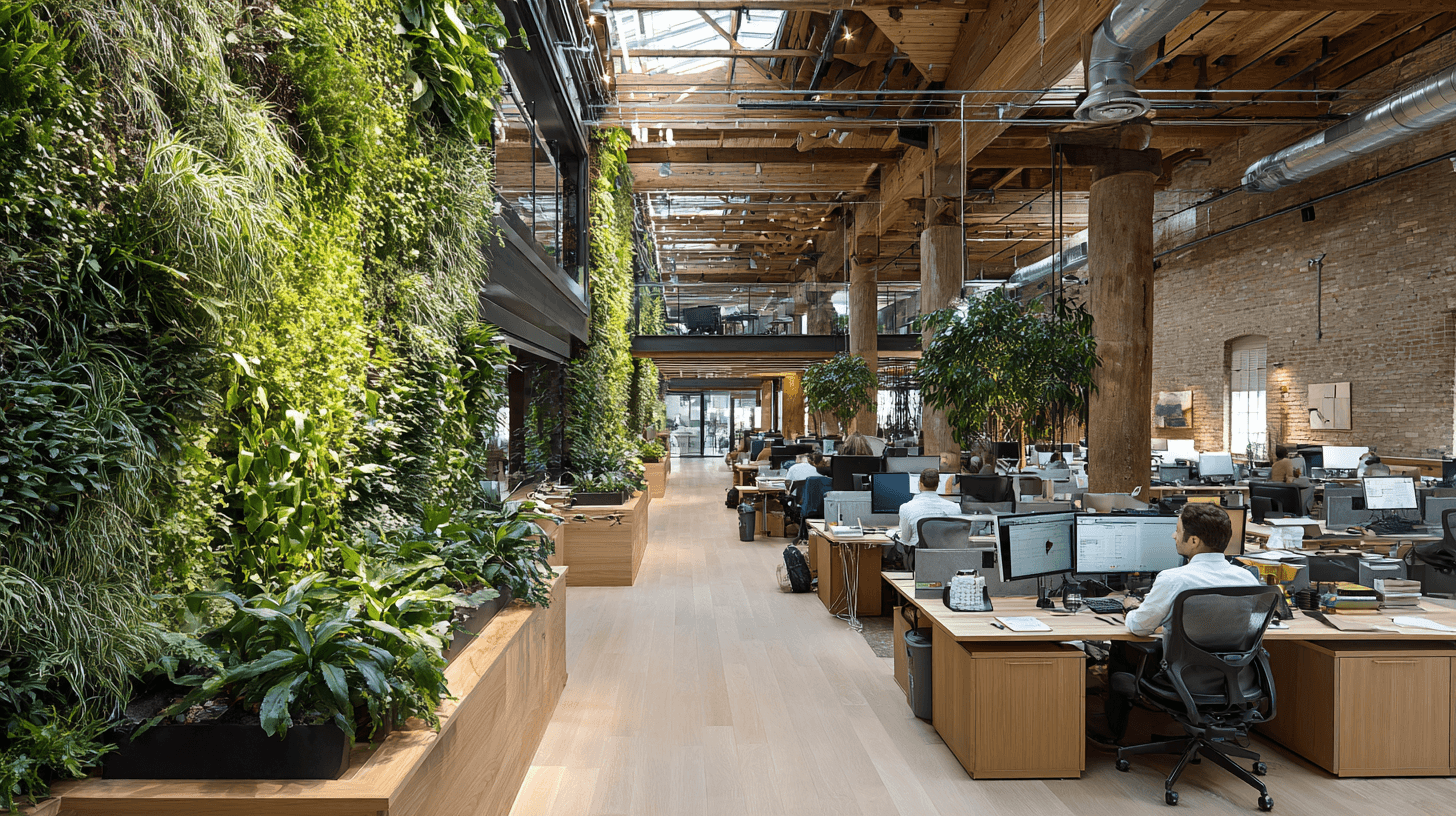
Biophilic Design: Introduction
The term Biophilia was first coined in 1964 by Erich Fromm, a social psychologist in his essay titled "The Heart of Man: Its Genius for Good and Evil". It comes from the words bio (life) and philia (to love). However, the term was seldom used until biologist Edward O. Wilson wrote "Biophilia: The Human Bond with Other Species" in 1984. In it he explored his own experience with nature and defined Biophilia as the urge for humans to affiliate with the external environment and other forms of life.
In recent years Biophilia ideas have been further explored and incorporated into both architecture and interior design in what is known as "Biophilia Design".
The basic hypothesis of Biophilia Design is that the performance and wellbeing of people occupying indoor spaces is greatly improved when they are surrounded with objects and materials that remind them of outside. This is particularly important when research shows that people spend an average of 90% (and more recently +95%) of their day indoors.
Why Is Biophilic Design Important?
As the world population continues to urbanise, this has resulted in a predominantly negative effect on humans whose natural instinct is drawn to nature.
Biophilia is humankind's innate biological and innate connection with nature. "It helps explain why crackling fires and crashing waves captivate us; why a garden view can enhance our creativity; why shadows and heights instil fascination and fear; and why animal companionship and strolling through a park have restorative, healing effects."¹
One effect of this is that businesses are wasting millions of dollars each year on lost productivity due to stress related illnesses and time off work, and low cognitive function and creativity means that businesses are not running to their financially optimal capacity.
However forward-thinking businesses are aware of this and have adopted biophilic design principles in their workspaces. They acknowledge the findings of recent years that helping staff reconnect with nature is essential for providing people with opportunity to work in healthy spaces with less stress and greater overall health and well-being.
There is gaining evidence of the positive impacts of biophilic design on all aspects of our health, and suddenly it is becoming a priority to both research and implement biophilic design in the built environment. But how do we do this?
What Impact Do Today's Architects and Designers Have on Biophilic Design?
"Intuition tells us that being in nature makes us happier. However, the intuitively obvious usually needs scientific and financial evidence to convince clients to make the investment in biophilic design."²
Arguably over the last century, the architectural trend has been the dominance of cerebral, academic, and theoretical views of the built environment. However, architects are becoming increasingly aware that another major impact of their designs is how they actually make their users feel.
While problem solving and juggling site constraints, material choices, structural engineering, user function and budget has always been of prime importance to architects, so too is the emotional impact that their designs have on people. How they interact within the building and how the space makes us feel is genuinely important. More so now days as we grapple with the facts that people are indoors more than ever before, and people's mental state is increasingly pushed to the limits due to global pressures of terrorism threats, health pandemics and economical instability.
In fact Architects, designers and researchers are the best positioned professionals to actively restore the connection of humans to nature, and this is in direct alignment with public demand for healthier buildings and a sustainable future. This interest in providing a nature rich urban experience has also surged in recent times as the Covid-19 world forced societies into lockdown where people were unable to connect directly with the natural world around them.
Design with an Understanding of the Pattern Language of Biophilic Design
The relationship between humans and the built environment falls into three broad categories:
Direct experiences with Nature (e.g. going for a walk in the bush, looking at a sunset etc.)
Indirect experiences of Nature (e.g. wallpaper with floral patterns etc.)
Nature of the space (e.g. how a space makes us feel)
Biophilic Design Facts
Biophilia has existed throughout humankind's existence, even if the term is a relatively recent one. There are examples of Corinthian column capitals in ancient Greece, through to Art Nouveau interiors incorporating nature into the building fabric well before the existence of the term Biophilia.
So what are the facts about Biophilic design, and how can Architects incorporate these principles into their designs?
Terrapin Bright Green (a sustainability consulting firm committed to creating a healthier world in the USA) has outlined seven interesting facts about biophilia and biophilic design from studies across the globe, which I've summarised below:
1. Biophilic design creates healthy, happy work environments
There is increasing research showing the incredible benefits of biophilic design and incorporating nature into the built environment. Biophilic design is linked to decreasing stress levels, enhancing creativity and accelerating recovery from illness.
In the workplace, there is increased well-being, which has other financial benefits for a company including a reduction in sick days and happier more productive employees.
2. Biophilia is more than plants
Even subconsciously, people include plants in an indoor space when they want to feel connected to the outdoors. However true biophilic design goes much deeper than this. Holistically, biophilic design includes biomorphic patterns and arrangements seen in nature (e.g. the Fibonnaci sequence which often appears in leaf arrangements, shells etc.) So even though humans know that these patterns and fractals are non-living, our brains associate them with representations of living things. This is known as biomimicry.³
3. Changes in Light is part of our natural rhythm
It is common knowledge that natural light is best for the well-being of humans. However true biophilic design takes this further. Another way to help link humans to the outdoor environment is to incorporate a lighting system that either naturally or artificially changes throughout the day to mimic our natural (circadian) 24 hour rhythm.
4. Humans feel calm with the presence of water
It should also be of no surprise that apart from increased feelings of tranquillity, there are several health benefits when water is present in indoor spaces including lowered blood pressure, lowered heart rate and good memory recall.
5. Changes in temperature and airflow mimics nature
Keeping indoor conditions constant (like the temperature in an office) has always been the accepted norm, however studies show that concentration and performance increases in spaces with variable temperature and airflow. Airflow stimulation has been found to keep people awake and is a natural way to improve focus and performance.
6. Appealing to multiple senses is more effective
The most effective way to change people's behaviour and perceptions through biophilic design is to aim to stimulate lots of senses simultaneously. The positive effect of both seeing and being able to touch natural materials, or seeing and smelling plants as well as feeling air flow and hearing water cannot be underestimated.
7. Faking nature is better than nothing
There are still some benefits of faking nature, even if it is not possible to include real natural elements in an indoor space. Consider the inclusion of natural paintings and incorporating biomorphic patterns in an interior to still reap some physiological and psychological benefits of biophilic design.
References
¹ Terrapin Bright Green (2014). 14 Patterns of Biophilic Design. http://www.terrapinbrightgreen.com/wp-content/uploads/2014/04/14-Patterns-of-Biophilic-Design-Terrapin2014p.pdf
² William D. Browning & Catherine O. Ryan (2020). Nature Inside – A Biophilic Design Guide, p.12
³ Biomimicry: "the design and production of materials, structures, and systems that are modelled on biological entities and processes." https://www.google.com/search?q=biomicry&rlz=1C1CHBF_enGBAU858AU858&oq=biomicry&aqs=chrome..69i57&sourceid=chrome&ie=UTF-8
Additional Resources
https://www.architectmagazine.com/technology/7-ways-to-enhance-indoor-environments-with-biophilic-design_o
https://www.terrapinbrightgreen.com/blog/2018/09/biophilic-design-just-plants/
The term Biophilia was first coined in 1964 by Erich Fromm, a social psychologist in his essay titled "The Heart of Man: Its Genius for Good and Evil". It comes from the words bio (life) and philia (to love). However, the term was seldom used until biologist Edward O. Wilson wrote "Biophilia: The Human Bond with Other Species" in 1984. In it he explored his own experience with nature and defined Biophilia as the urge for humans to affiliate with the external environment and other forms of life.
In recent years Biophilia ideas have been further explored and incorporated into both architecture and interior design in what is known as "Biophilia Design".
The basic hypothesis of Biophilia Design is that the performance and wellbeing of people occupying indoor spaces is greatly improved when they are surrounded with objects and materials that remind them of outside. This is particularly important when research shows that people spend an average of 90% (and more recently +95%) of their day indoors.
Why Is Biophilic Design Important?
As the world population continues to urbanise, this has resulted in a predominantly negative effect on humans whose natural instinct is drawn to nature.
Biophilia is humankind's innate biological and innate connection with nature. "It helps explain why crackling fires and crashing waves captivate us; why a garden view can enhance our creativity; why shadows and heights instil fascination and fear; and why animal companionship and strolling through a park have restorative, healing effects."¹
One effect of this is that businesses are wasting millions of dollars each year on lost productivity due to stress related illnesses and time off work, and low cognitive function and creativity means that businesses are not running to their financially optimal capacity.
However forward-thinking businesses are aware of this and have adopted biophilic design principles in their workspaces. They acknowledge the findings of recent years that helping staff reconnect with nature is essential for providing people with opportunity to work in healthy spaces with less stress and greater overall health and well-being.
There is gaining evidence of the positive impacts of biophilic design on all aspects of our health, and suddenly it is becoming a priority to both research and implement biophilic design in the built environment. But how do we do this?
What Impact Do Today's Architects and Designers Have on Biophilic Design?
"Intuition tells us that being in nature makes us happier. However, the intuitively obvious usually needs scientific and financial evidence to convince clients to make the investment in biophilic design."²
Arguably over the last century, the architectural trend has been the dominance of cerebral, academic, and theoretical views of the built environment. However, architects are becoming increasingly aware that another major impact of their designs is how they actually make their users feel.
While problem solving and juggling site constraints, material choices, structural engineering, user function and budget has always been of prime importance to architects, so too is the emotional impact that their designs have on people. How they interact within the building and how the space makes us feel is genuinely important. More so now days as we grapple with the facts that people are indoors more than ever before, and people's mental state is increasingly pushed to the limits due to global pressures of terrorism threats, health pandemics and economical instability.
In fact Architects, designers and researchers are the best positioned professionals to actively restore the connection of humans to nature, and this is in direct alignment with public demand for healthier buildings and a sustainable future. This interest in providing a nature rich urban experience has also surged in recent times as the Covid-19 world forced societies into lockdown where people were unable to connect directly with the natural world around them.
Design with an Understanding of the Pattern Language of Biophilic Design
The relationship between humans and the built environment falls into three broad categories:
Direct experiences with Nature (e.g. going for a walk in the bush, looking at a sunset etc.)
Indirect experiences of Nature (e.g. wallpaper with floral patterns etc.)
Nature of the space (e.g. how a space makes us feel)
Biophilic Design Facts
Biophilia has existed throughout humankind's existence, even if the term is a relatively recent one. There are examples of Corinthian column capitals in ancient Greece, through to Art Nouveau interiors incorporating nature into the building fabric well before the existence of the term Biophilia.
So what are the facts about Biophilic design, and how can Architects incorporate these principles into their designs?
Terrapin Bright Green (a sustainability consulting firm committed to creating a healthier world in the USA) has outlined seven interesting facts about biophilia and biophilic design from studies across the globe, which I've summarised below:
1. Biophilic design creates healthy, happy work environments
There is increasing research showing the incredible benefits of biophilic design and incorporating nature into the built environment. Biophilic design is linked to decreasing stress levels, enhancing creativity and accelerating recovery from illness.
In the workplace, there is increased well-being, which has other financial benefits for a company including a reduction in sick days and happier more productive employees.
2. Biophilia is more than plants
Even subconsciously, people include plants in an indoor space when they want to feel connected to the outdoors. However true biophilic design goes much deeper than this. Holistically, biophilic design includes biomorphic patterns and arrangements seen in nature (e.g. the Fibonnaci sequence which often appears in leaf arrangements, shells etc.) So even though humans know that these patterns and fractals are non-living, our brains associate them with representations of living things. This is known as biomimicry.³
3. Changes in Light is part of our natural rhythm
It is common knowledge that natural light is best for the well-being of humans. However true biophilic design takes this further. Another way to help link humans to the outdoor environment is to incorporate a lighting system that either naturally or artificially changes throughout the day to mimic our natural (circadian) 24 hour rhythm.
4. Humans feel calm with the presence of water
It should also be of no surprise that apart from increased feelings of tranquillity, there are several health benefits when water is present in indoor spaces including lowered blood pressure, lowered heart rate and good memory recall.
5. Changes in temperature and airflow mimics nature
Keeping indoor conditions constant (like the temperature in an office) has always been the accepted norm, however studies show that concentration and performance increases in spaces with variable temperature and airflow. Airflow stimulation has been found to keep people awake and is a natural way to improve focus and performance.
6. Appealing to multiple senses is more effective
The most effective way to change people's behaviour and perceptions through biophilic design is to aim to stimulate lots of senses simultaneously. The positive effect of both seeing and being able to touch natural materials, or seeing and smelling plants as well as feeling air flow and hearing water cannot be underestimated.
7. Faking nature is better than nothing
There are still some benefits of faking nature, even if it is not possible to include real natural elements in an indoor space. Consider the inclusion of natural paintings and incorporating biomorphic patterns in an interior to still reap some physiological and psychological benefits of biophilic design.
References
¹ Terrapin Bright Green (2014). 14 Patterns of Biophilic Design. http://www.terrapinbrightgreen.com/wp-content/uploads/2014/04/14-Patterns-of-Biophilic-Design-Terrapin2014p.pdf
² William D. Browning & Catherine O. Ryan (2020). Nature Inside – A Biophilic Design Guide, p.12
³ Biomimicry: "the design and production of materials, structures, and systems that are modelled on biological entities and processes." https://www.google.com/search?q=biomicry&rlz=1C1CHBF_enGBAU858AU858&oq=biomicry&aqs=chrome..69i57&sourceid=chrome&ie=UTF-8
Additional Resources
https://www.architectmagazine.com/technology/7-ways-to-enhance-indoor-environments-with-biophilic-design_o
https://www.terrapinbrightgreen.com/blog/2018/09/biophilic-design-just-plants/
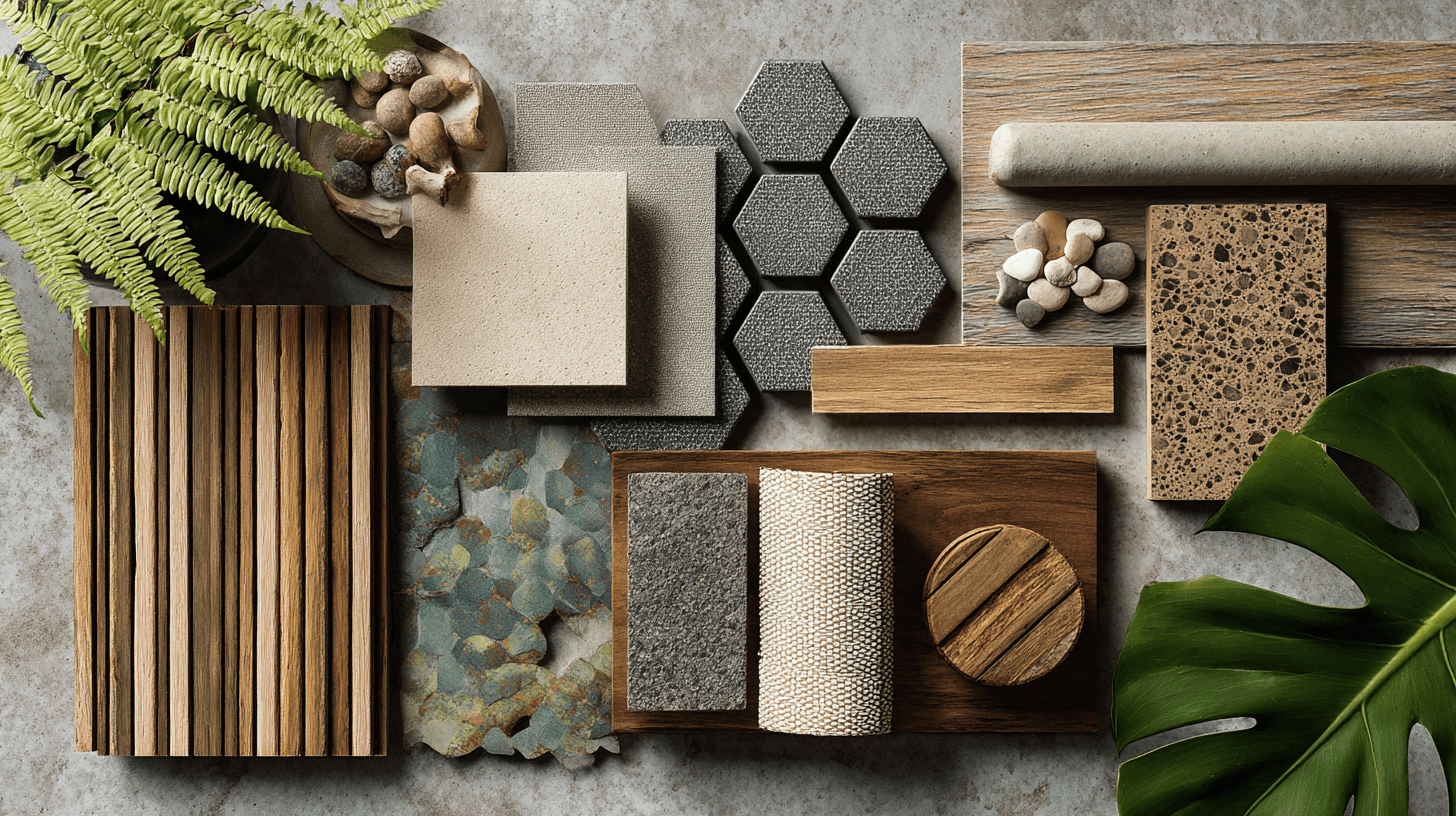
Biophilic Language Patterns
15 patterns of biophilic design explained. Learn how direct nature experiences, natural materials, and spatial design enhance health and wellbeing.
15 patterns of biophilic design explained. Learn how direct nature experiences, natural materials, and spatial design enhance health and wellbeing.
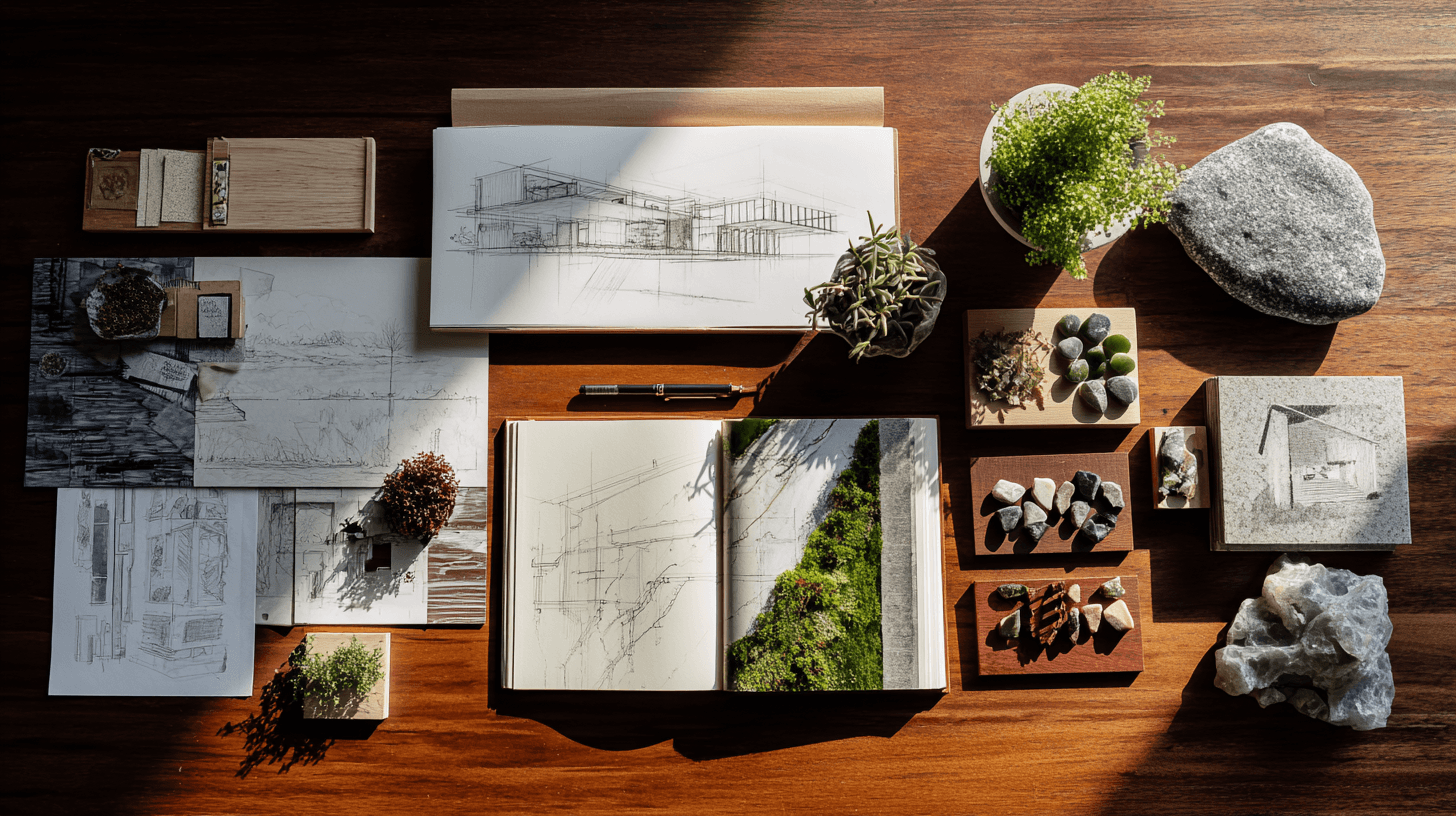
Biophilic Design: Design Process for Architects
A comprehensive 10-step guide to implementing biophilic design in architecture. Learn the five fundamental principles for creating nature-connected spaces.
A comprehensive 10-step guide to implementing biophilic design in architecture. Learn the five fundamental principles for creating nature-connected spaces.
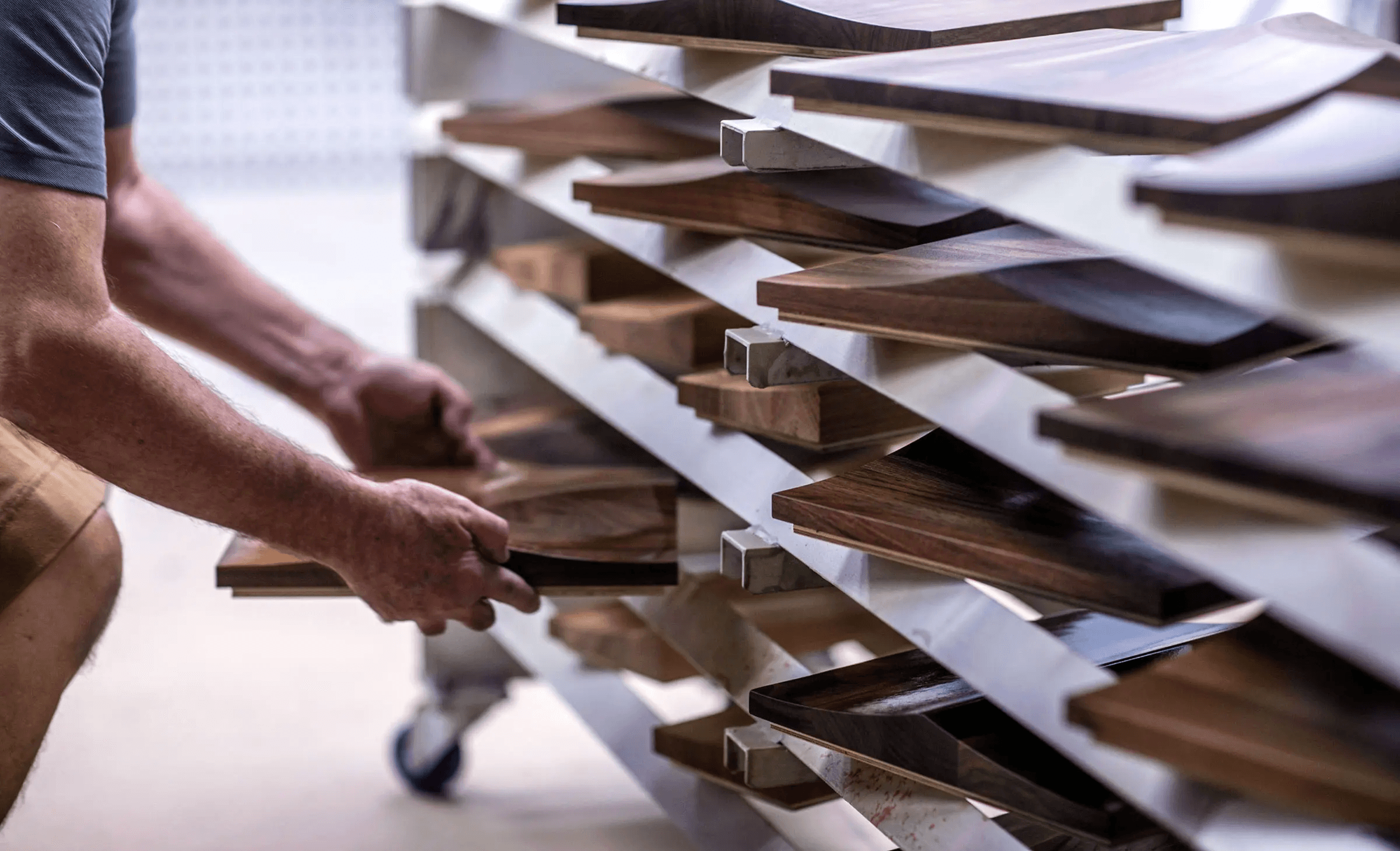
The sustainability of Evove
Learn how Evove wall panels transform timber offcuts into beautiful, sustainable products that store carbon and support a circular economy.
Learn how Evove wall panels transform timber offcuts into beautiful, sustainable products that store carbon and support a circular economy.
Discover what’s possible.
Send us your email address
to be kept informed.
ABN 27 947 460 969